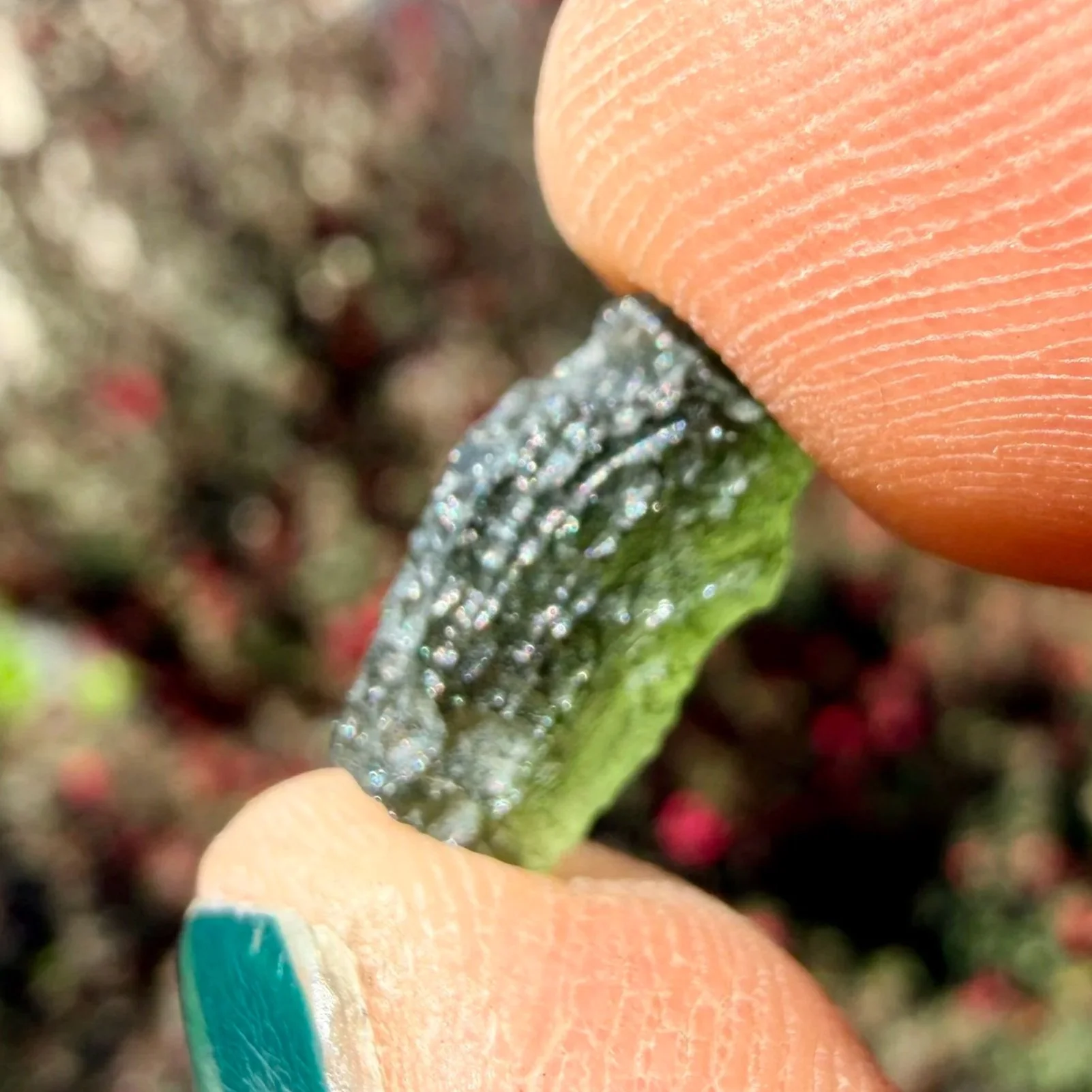
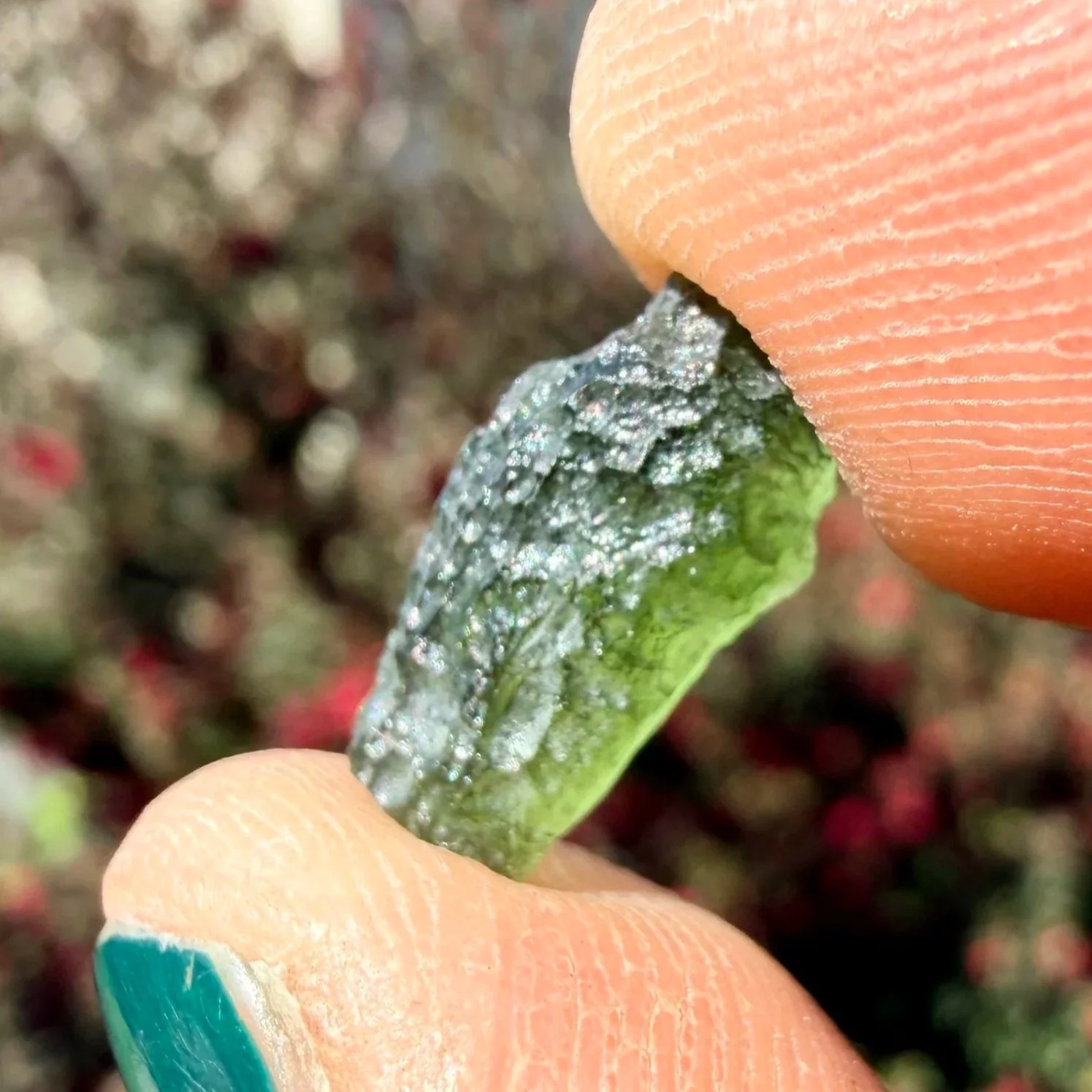
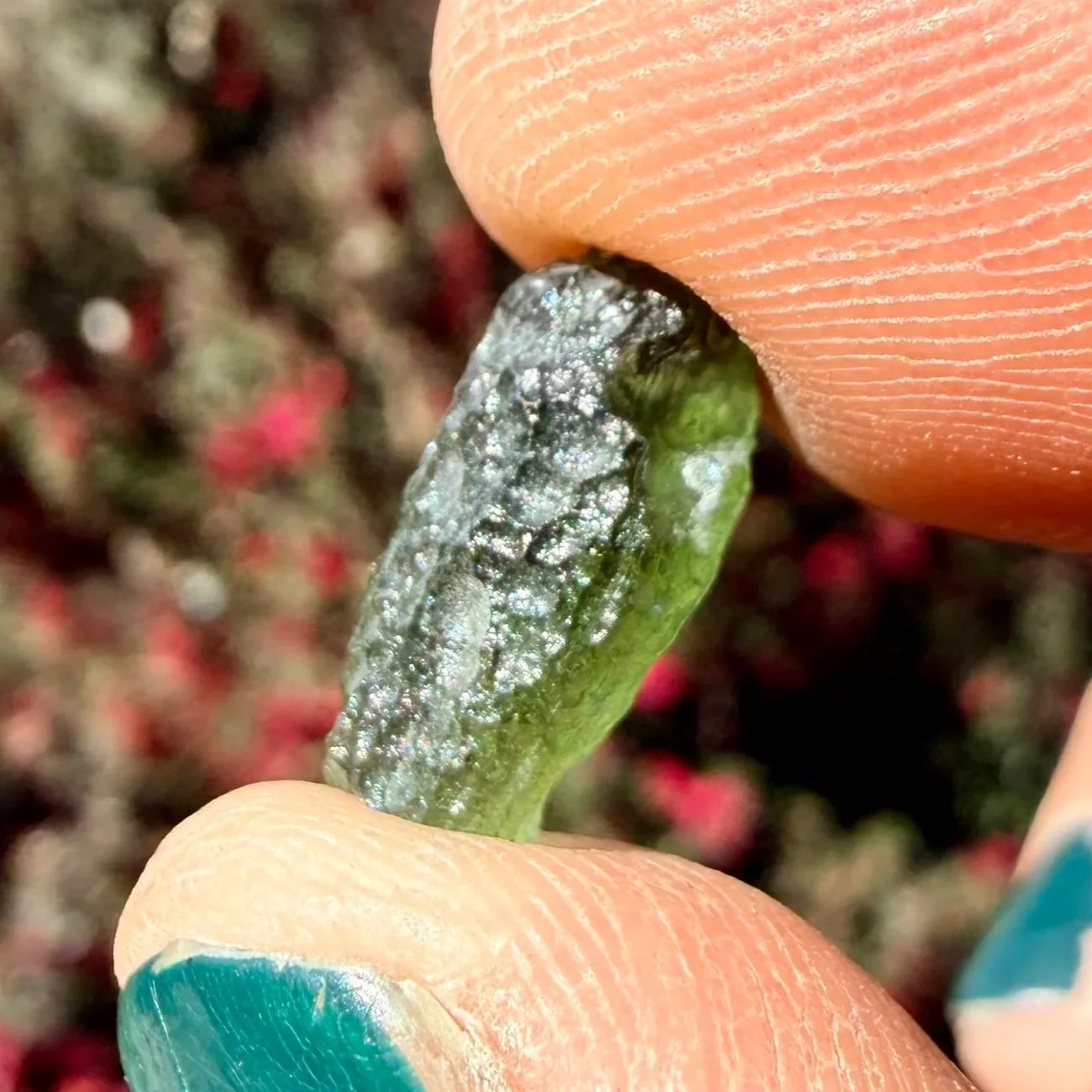
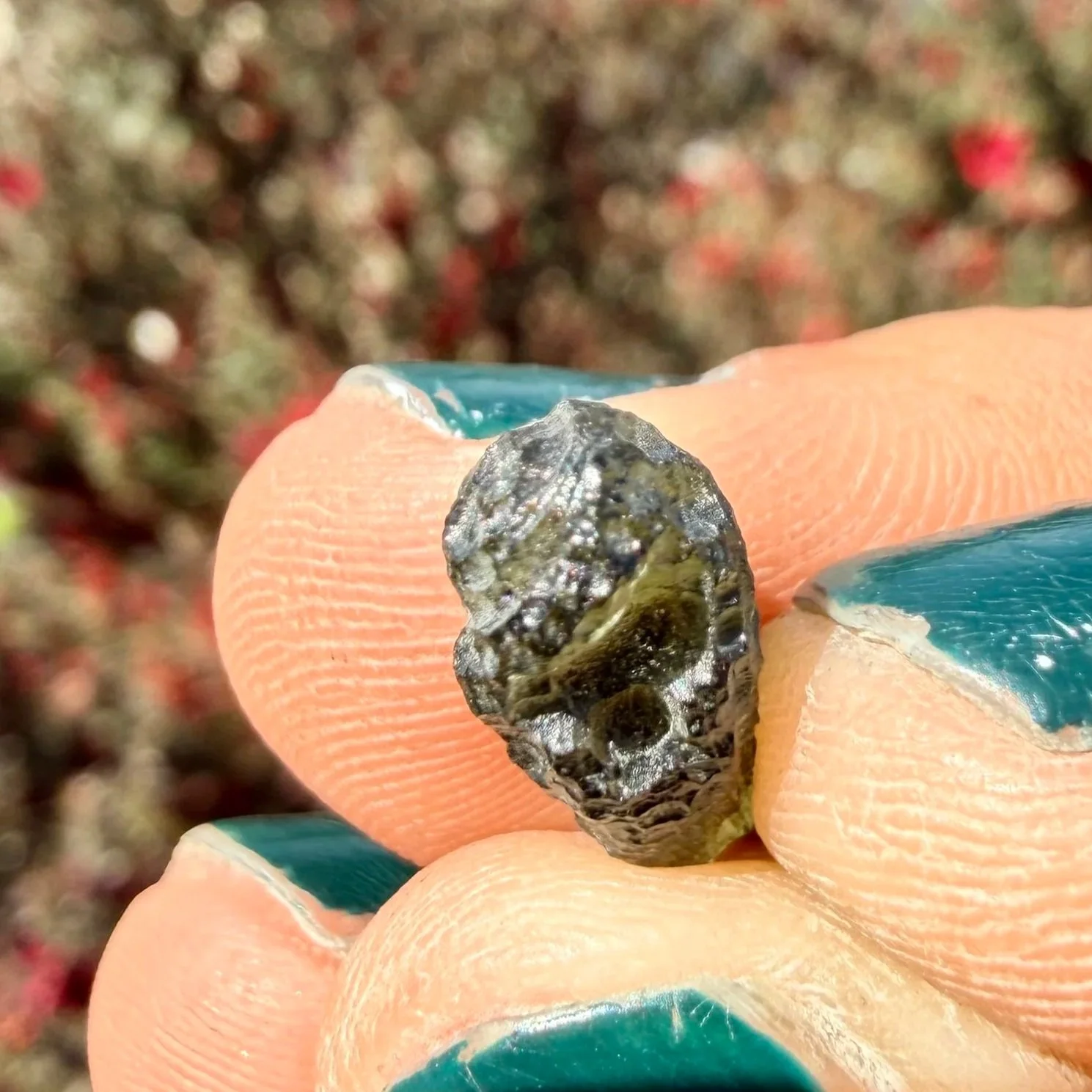
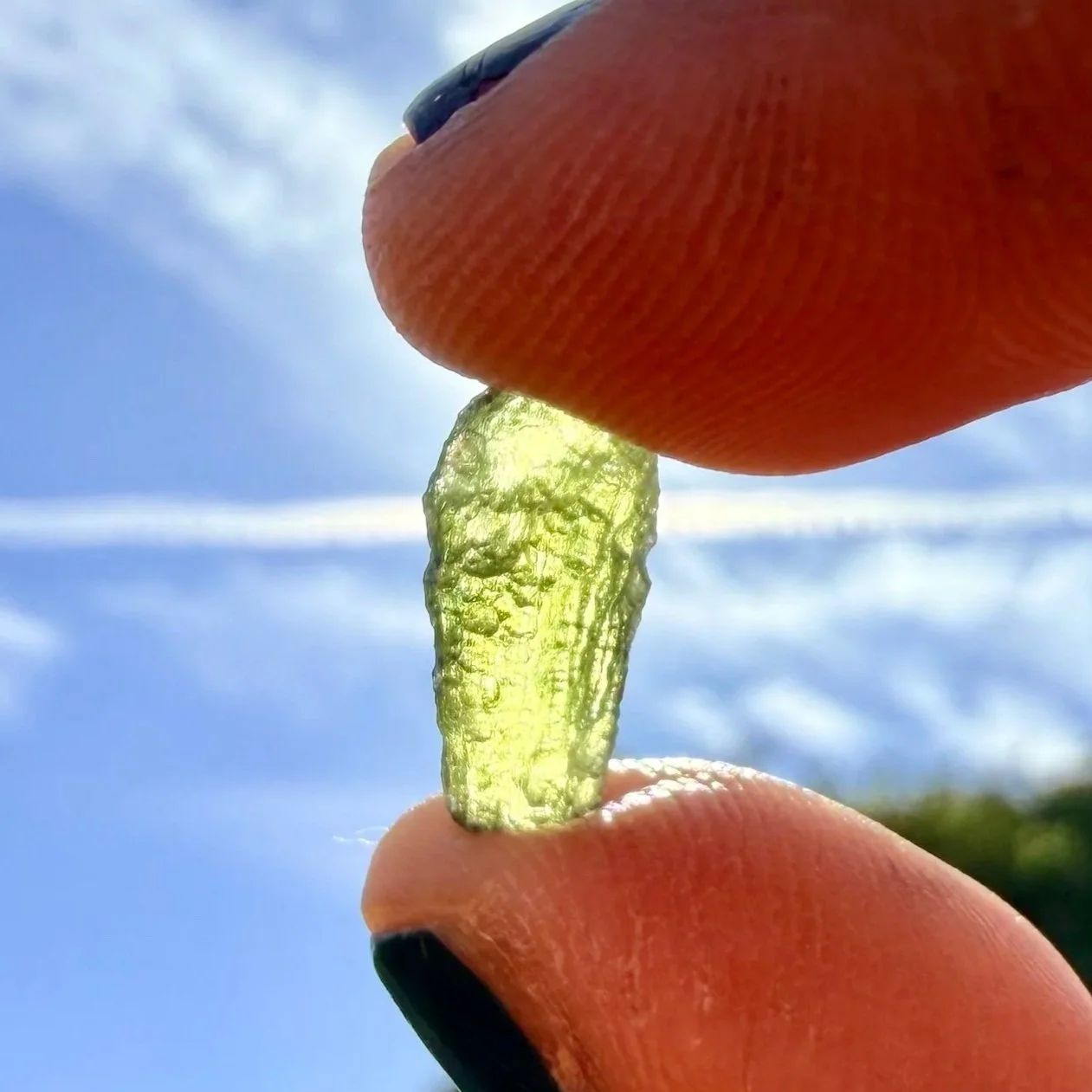
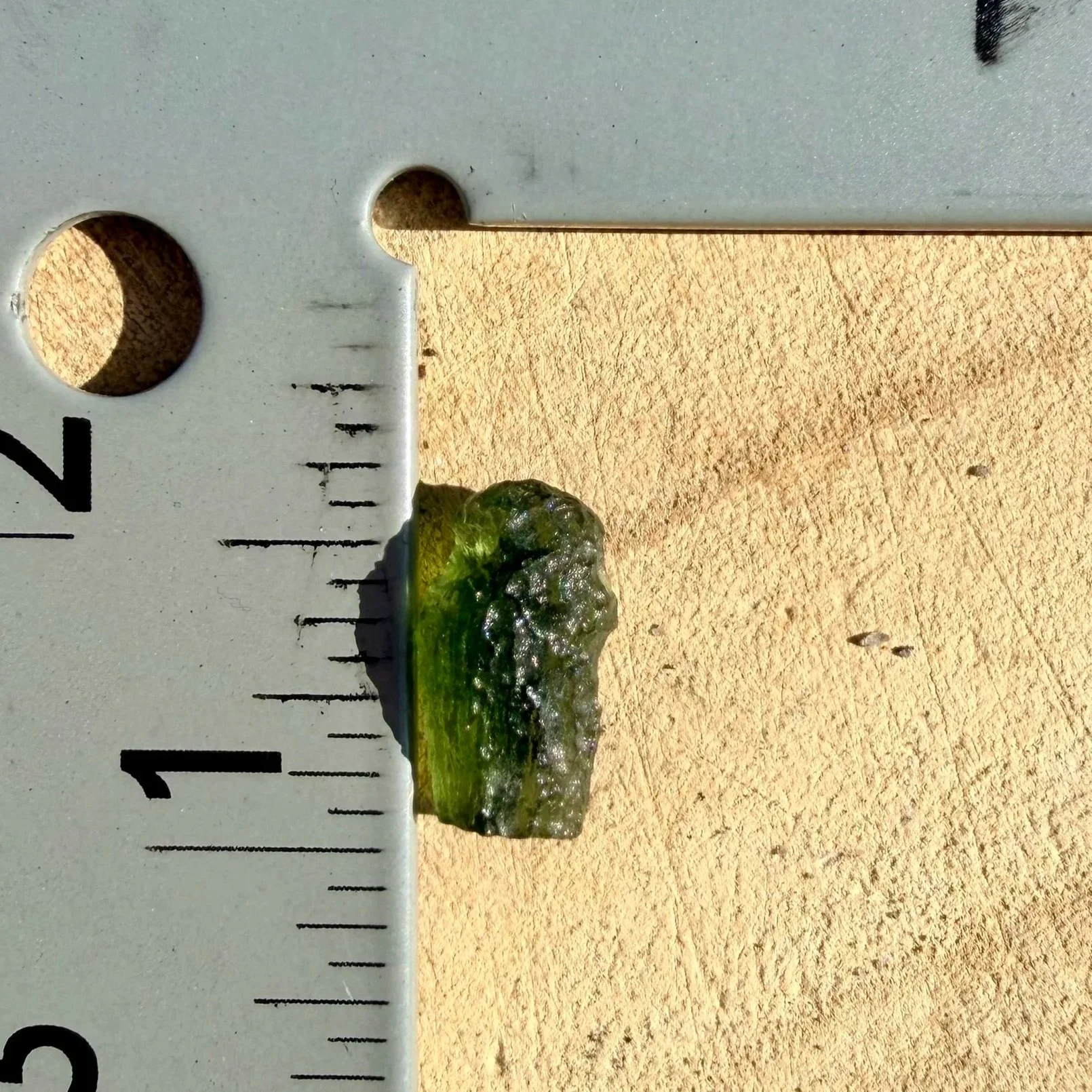
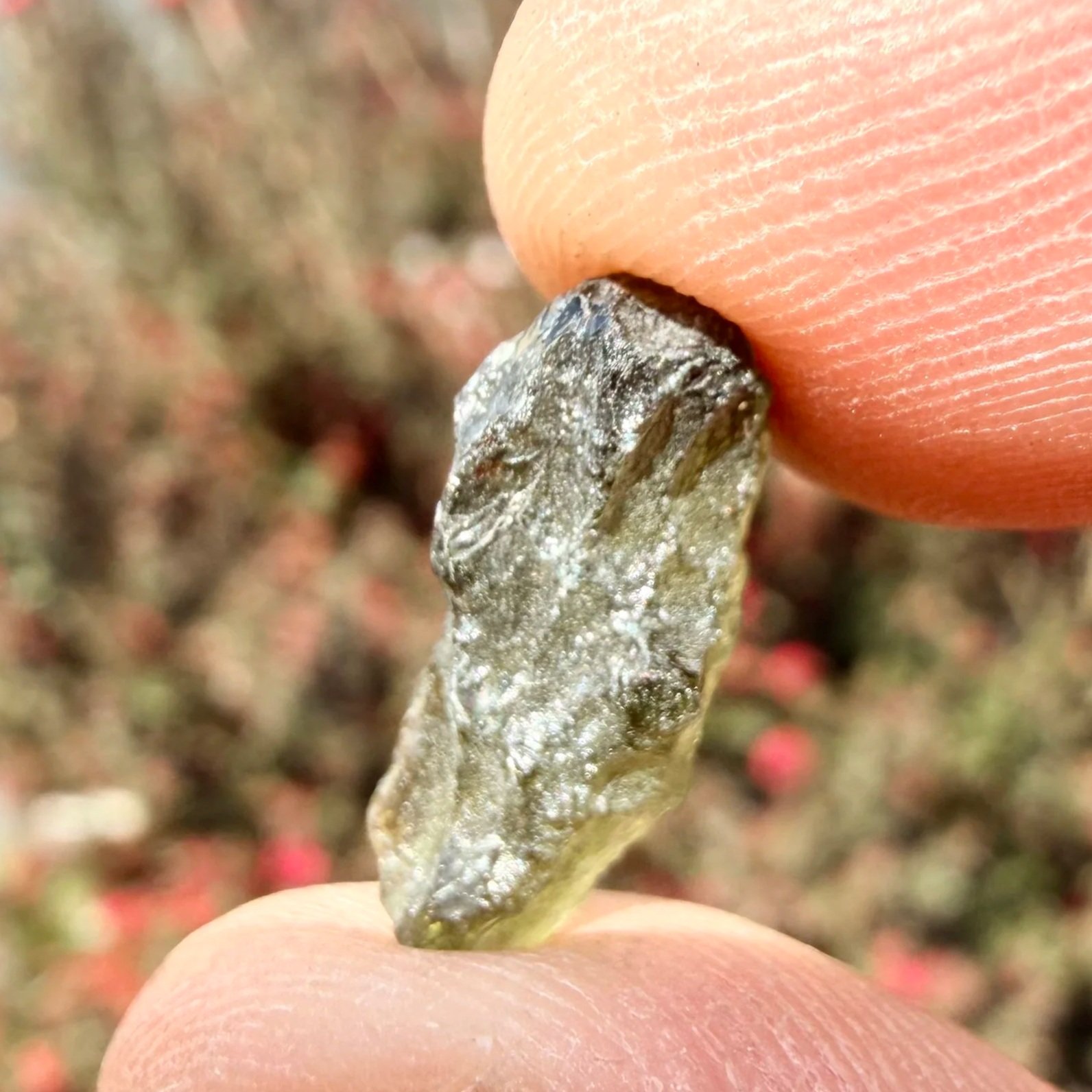
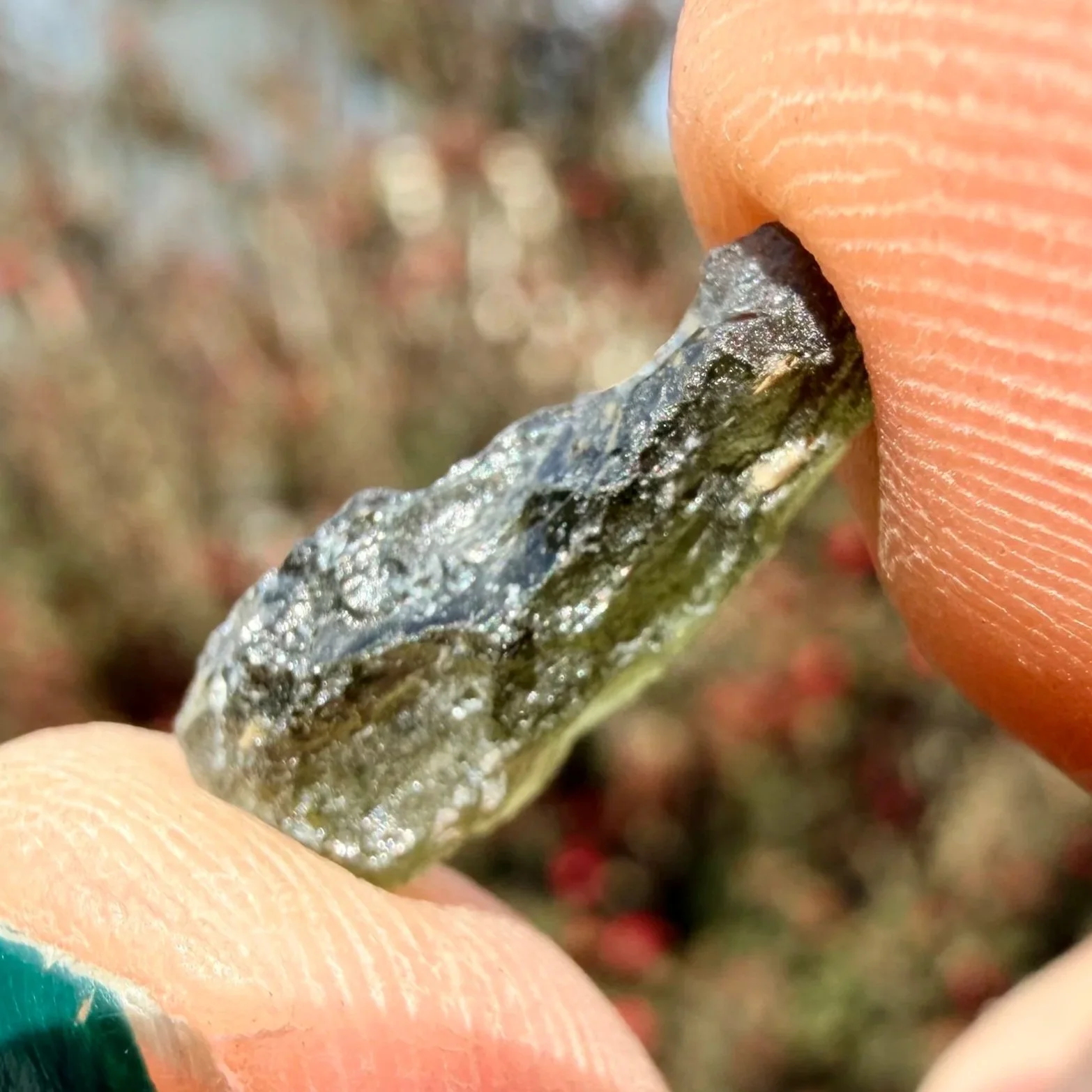
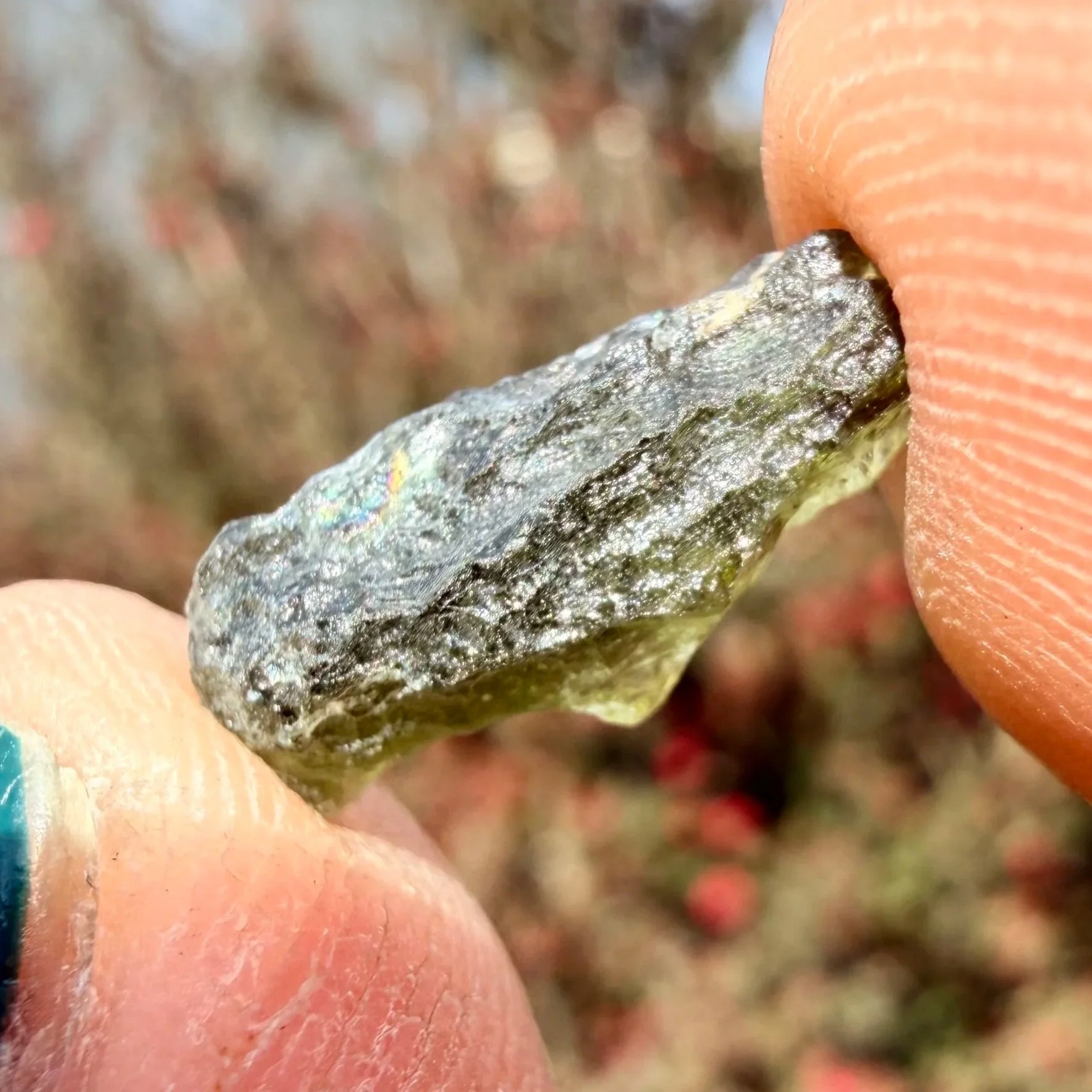
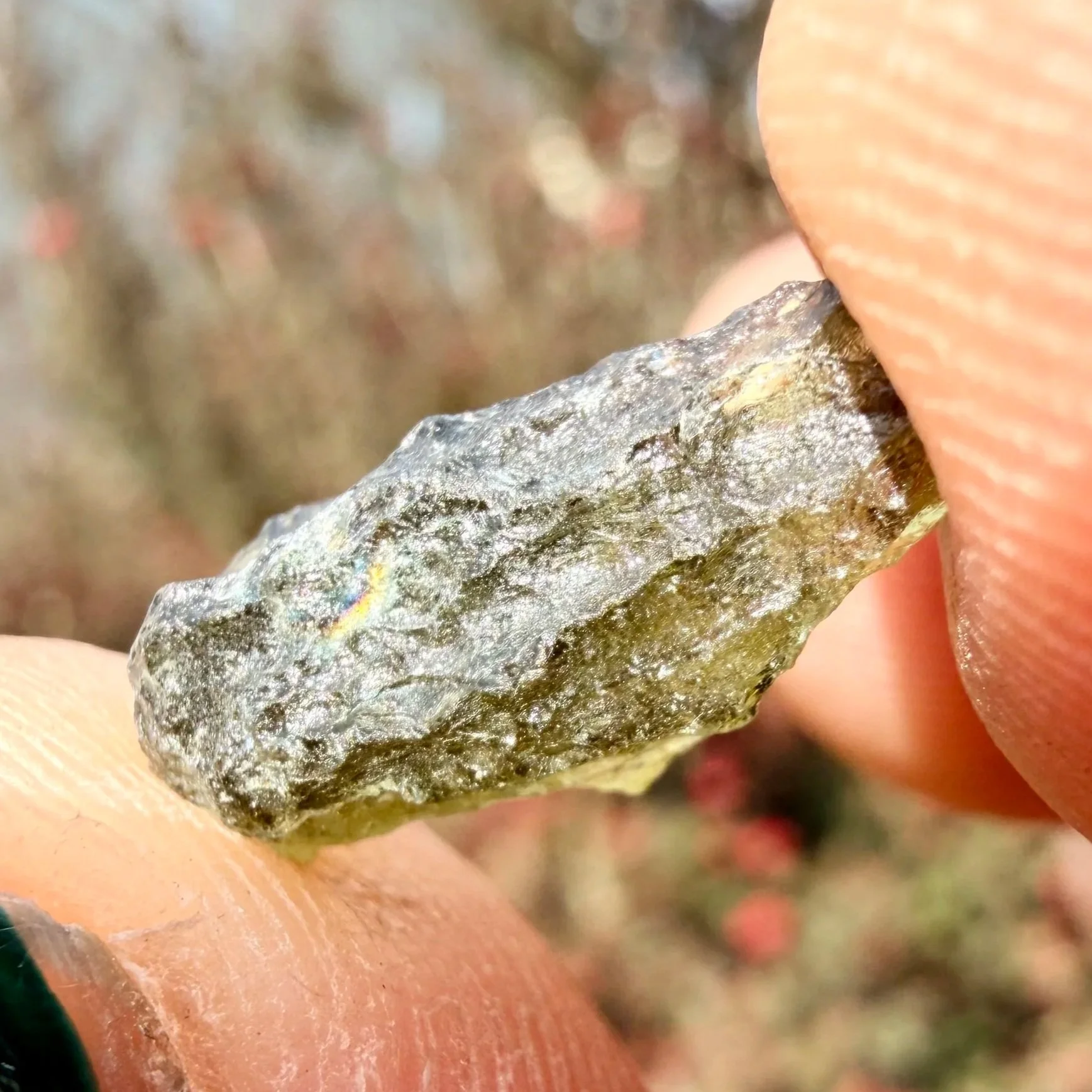
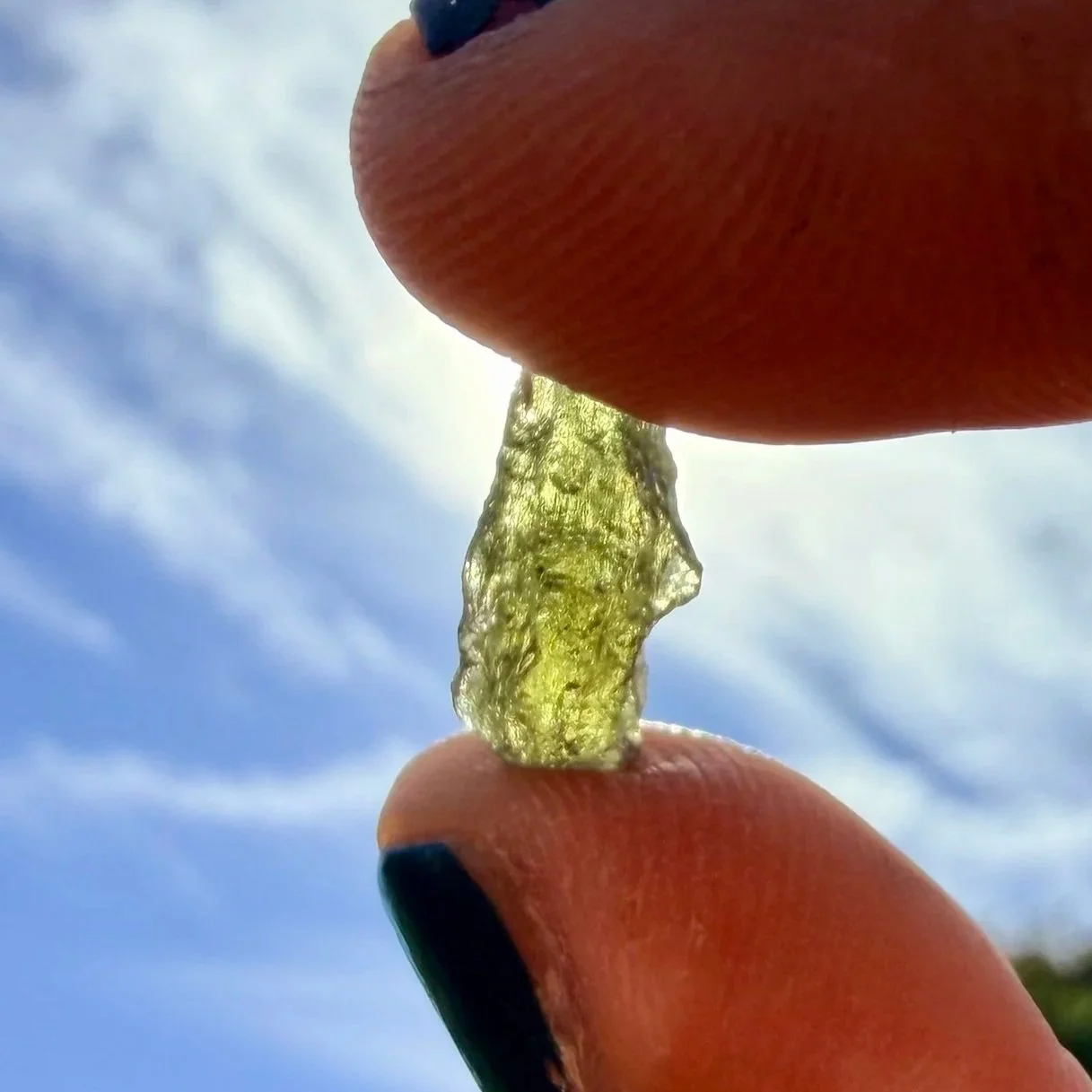
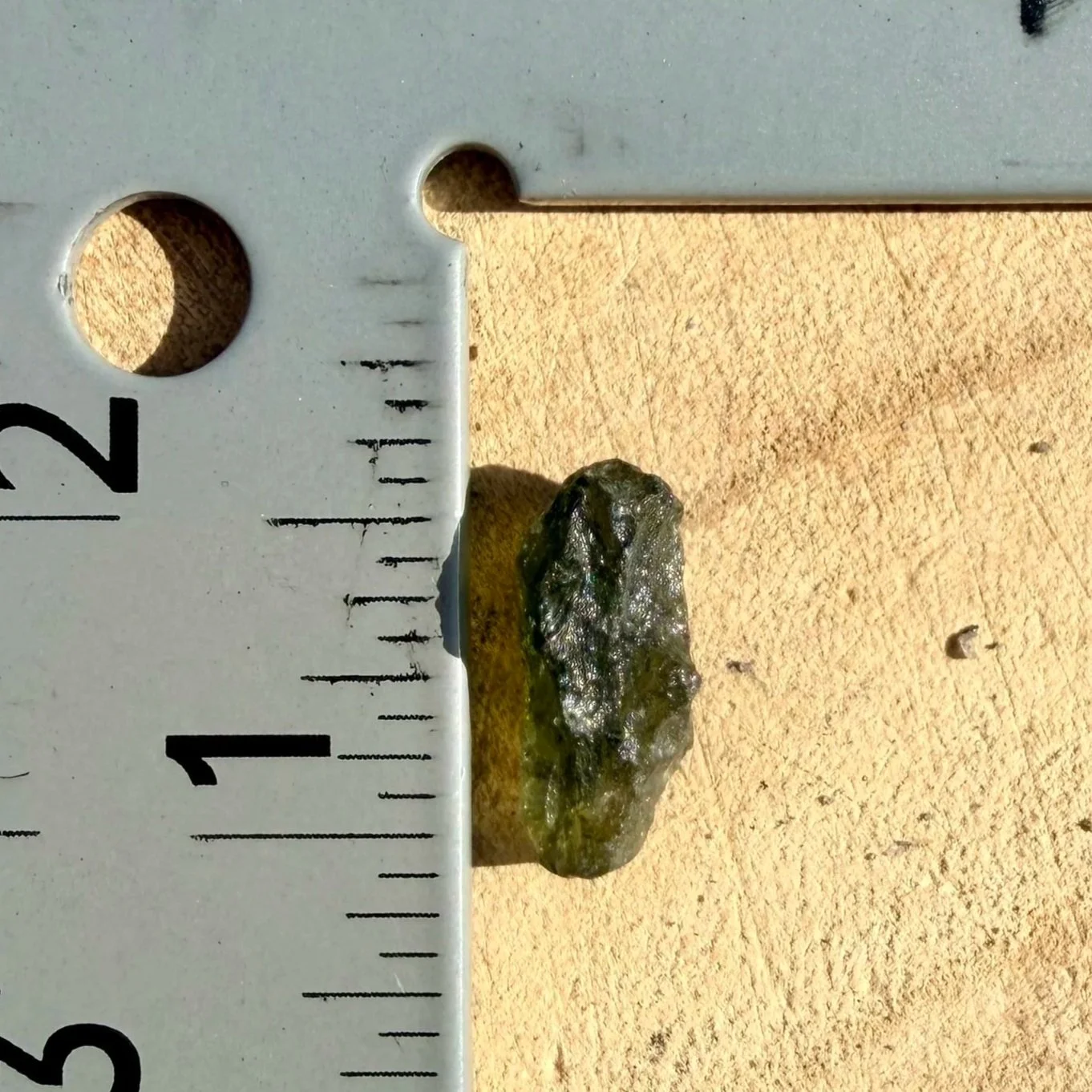
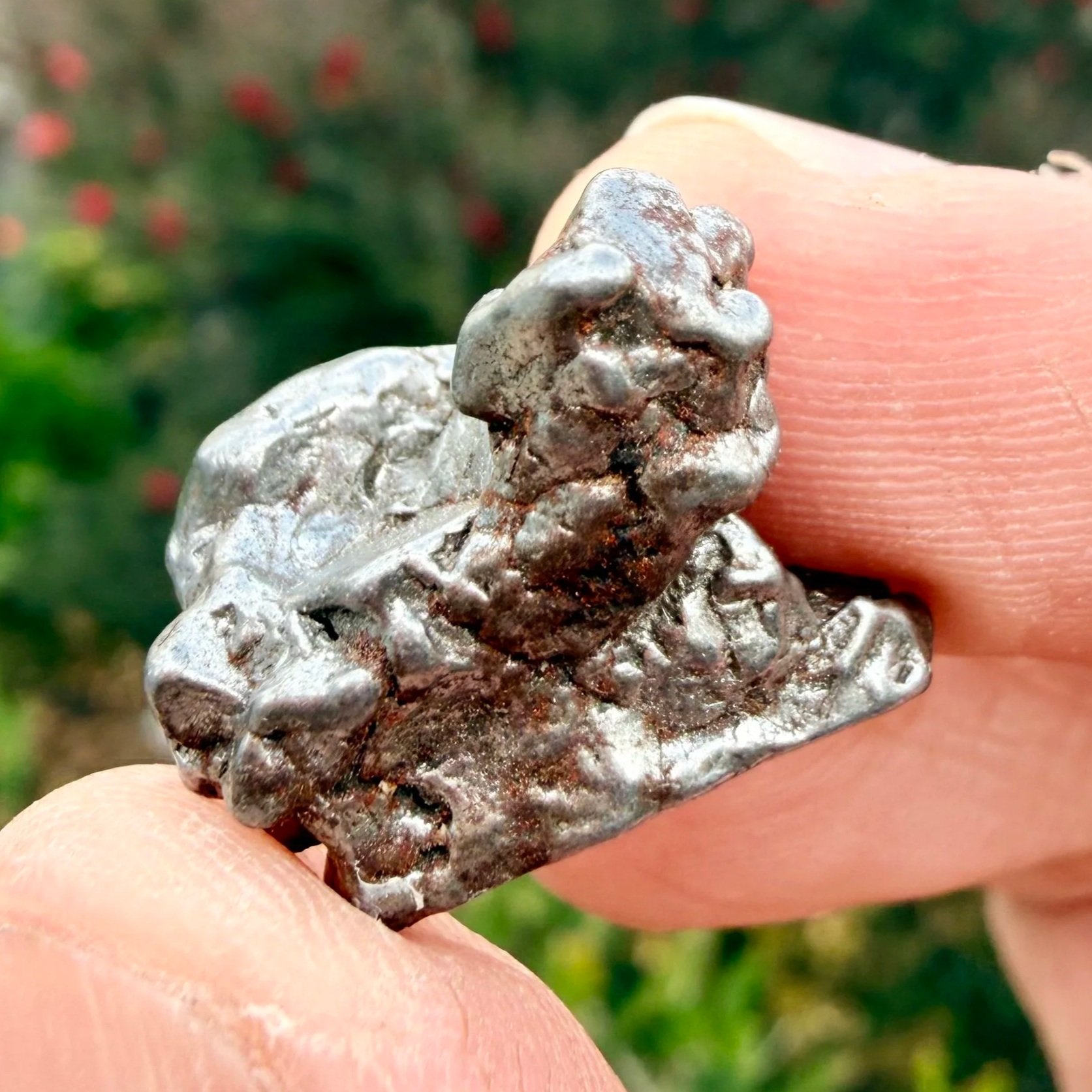
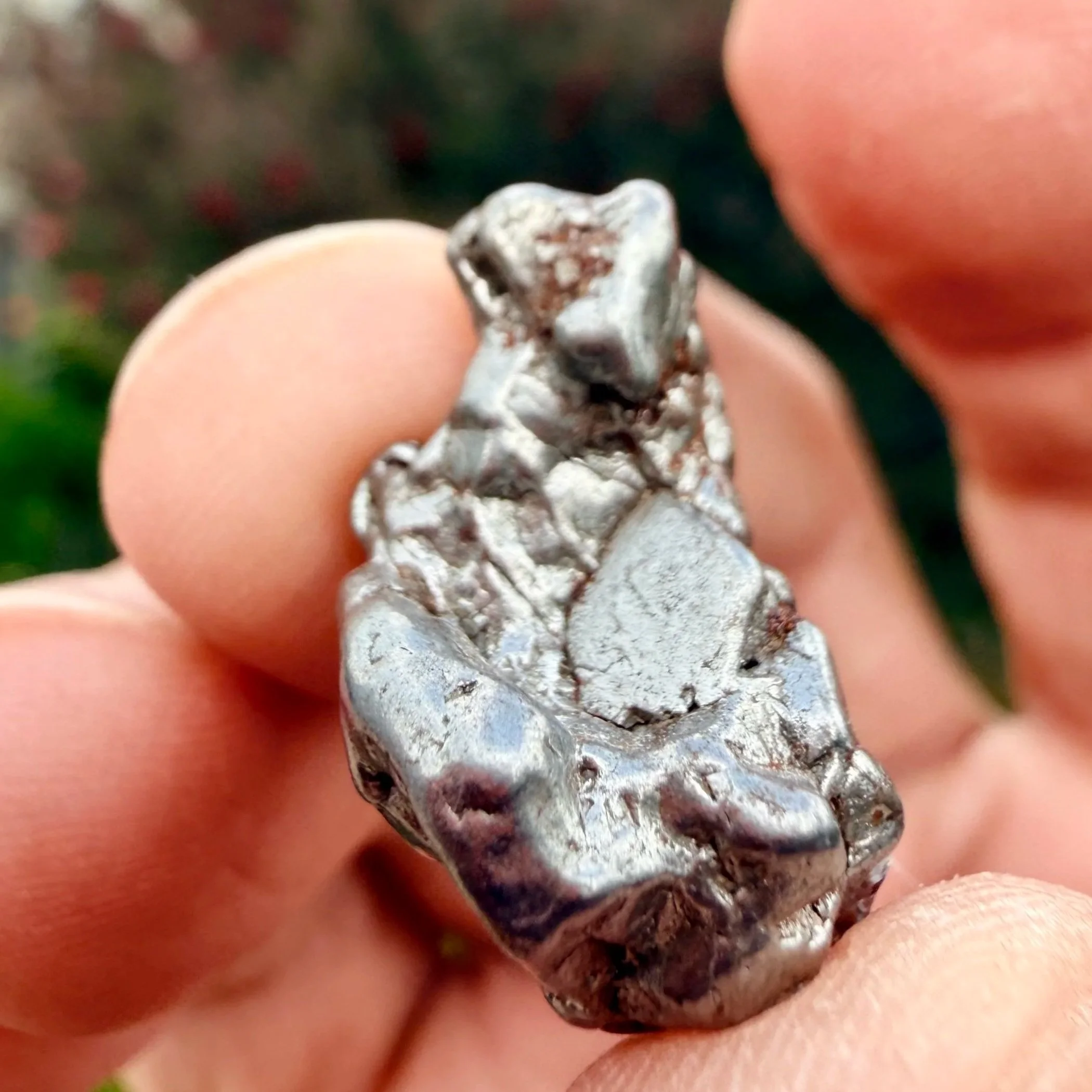
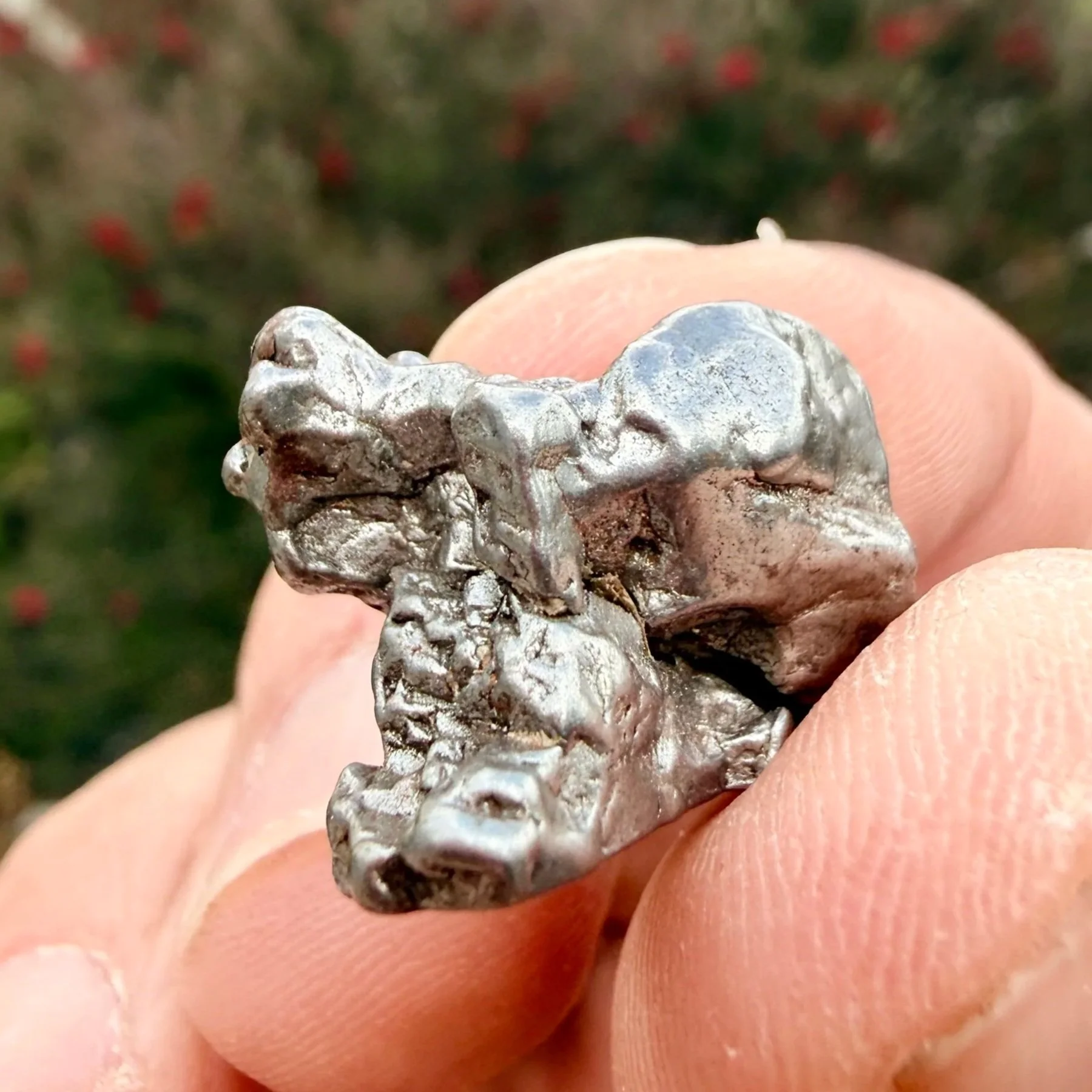
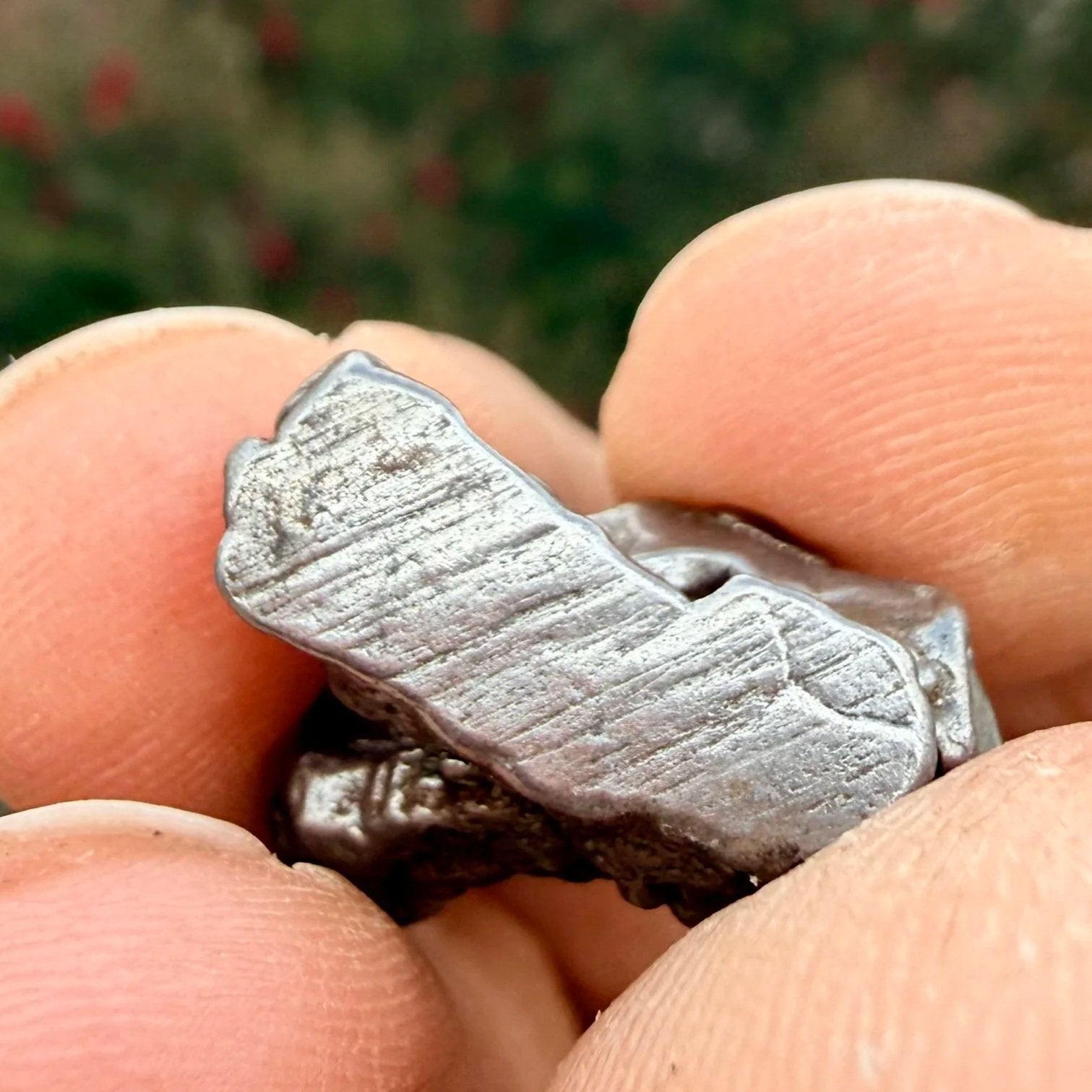
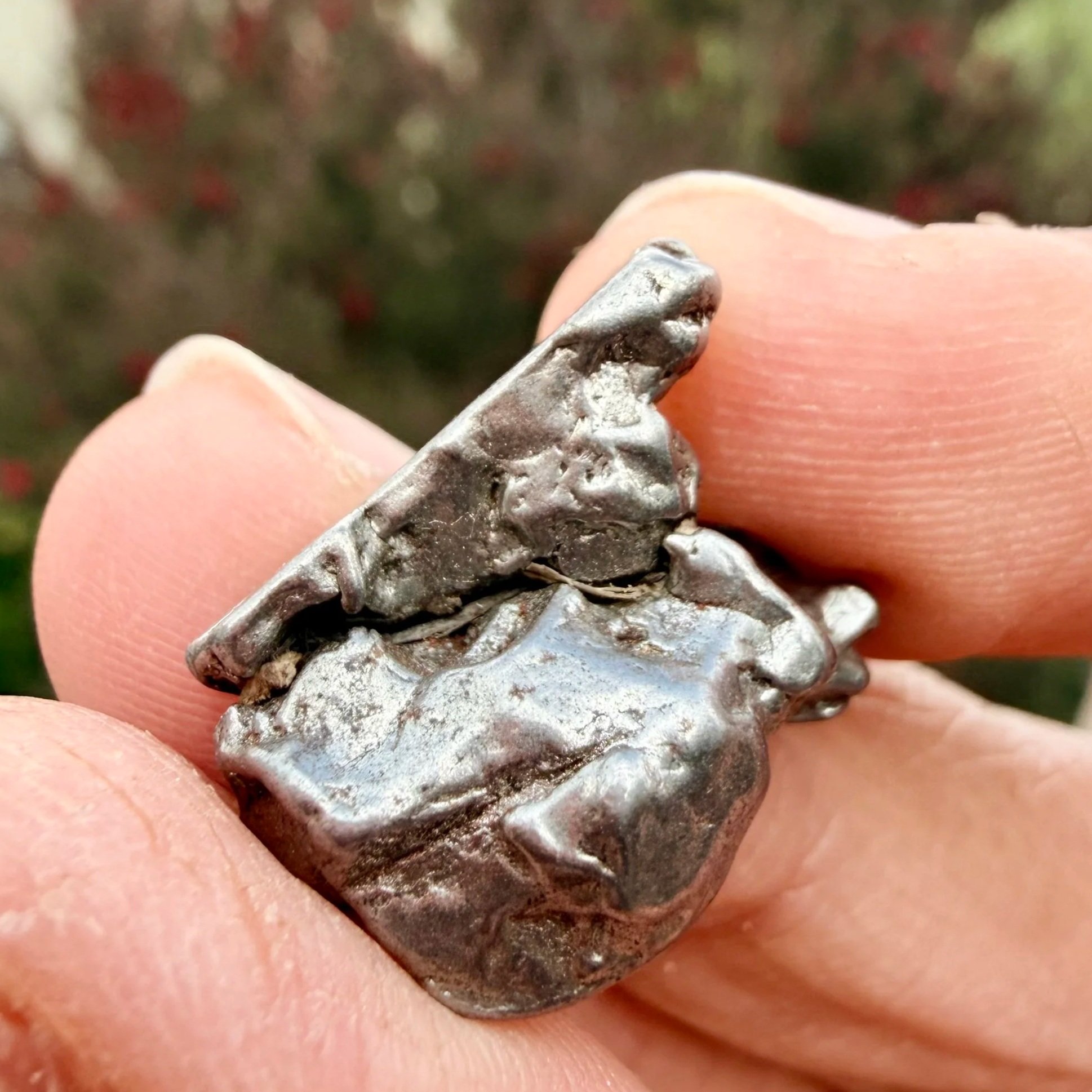
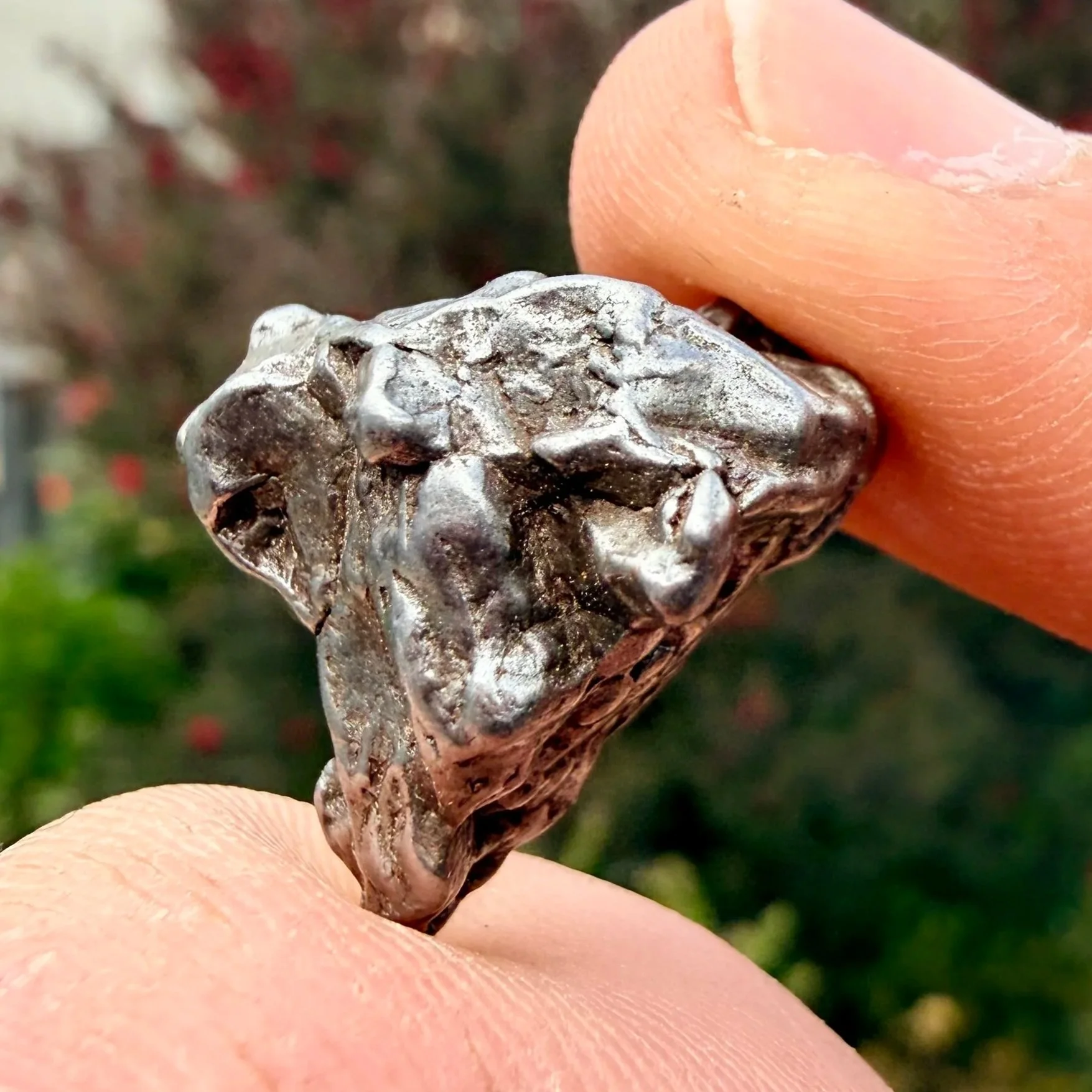
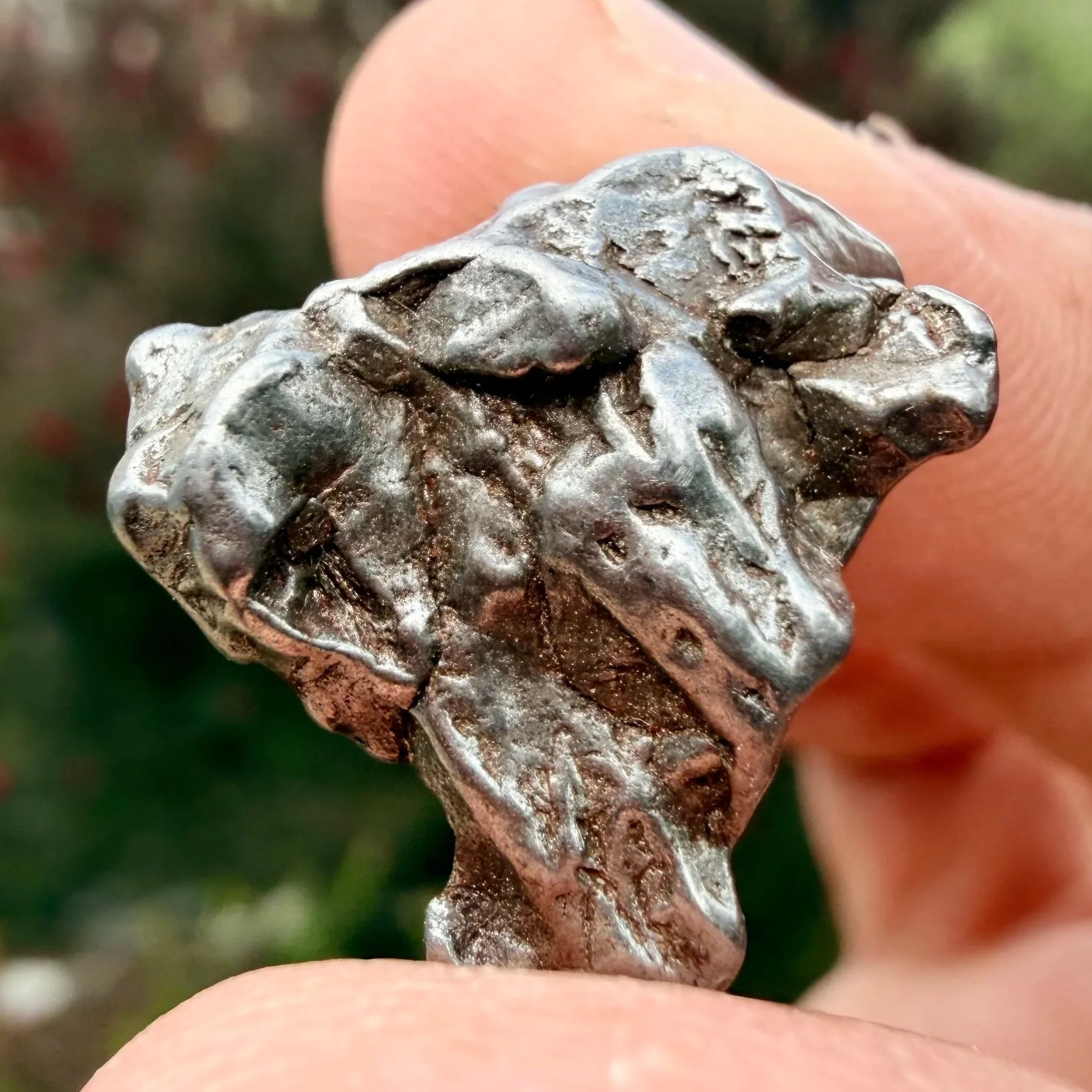
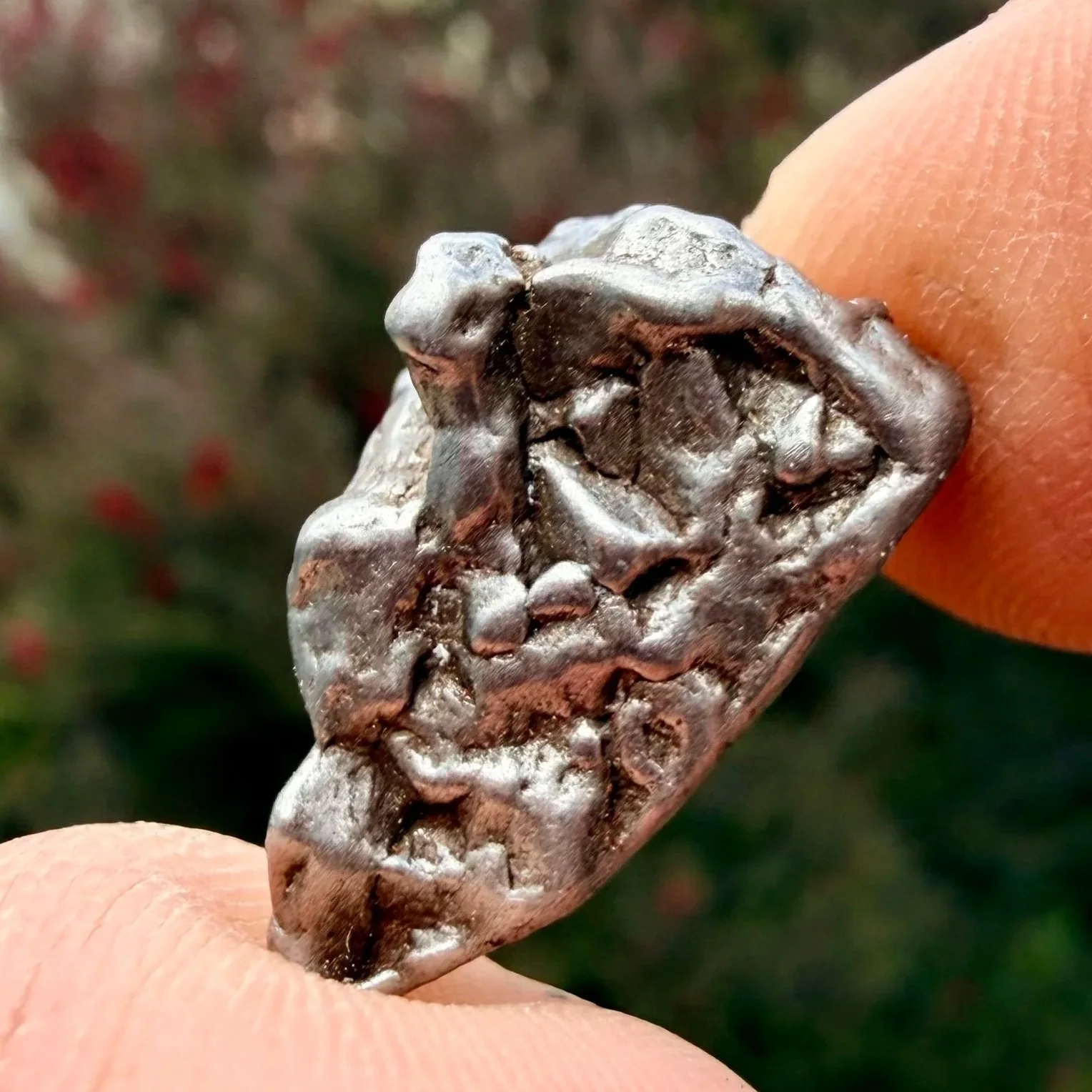
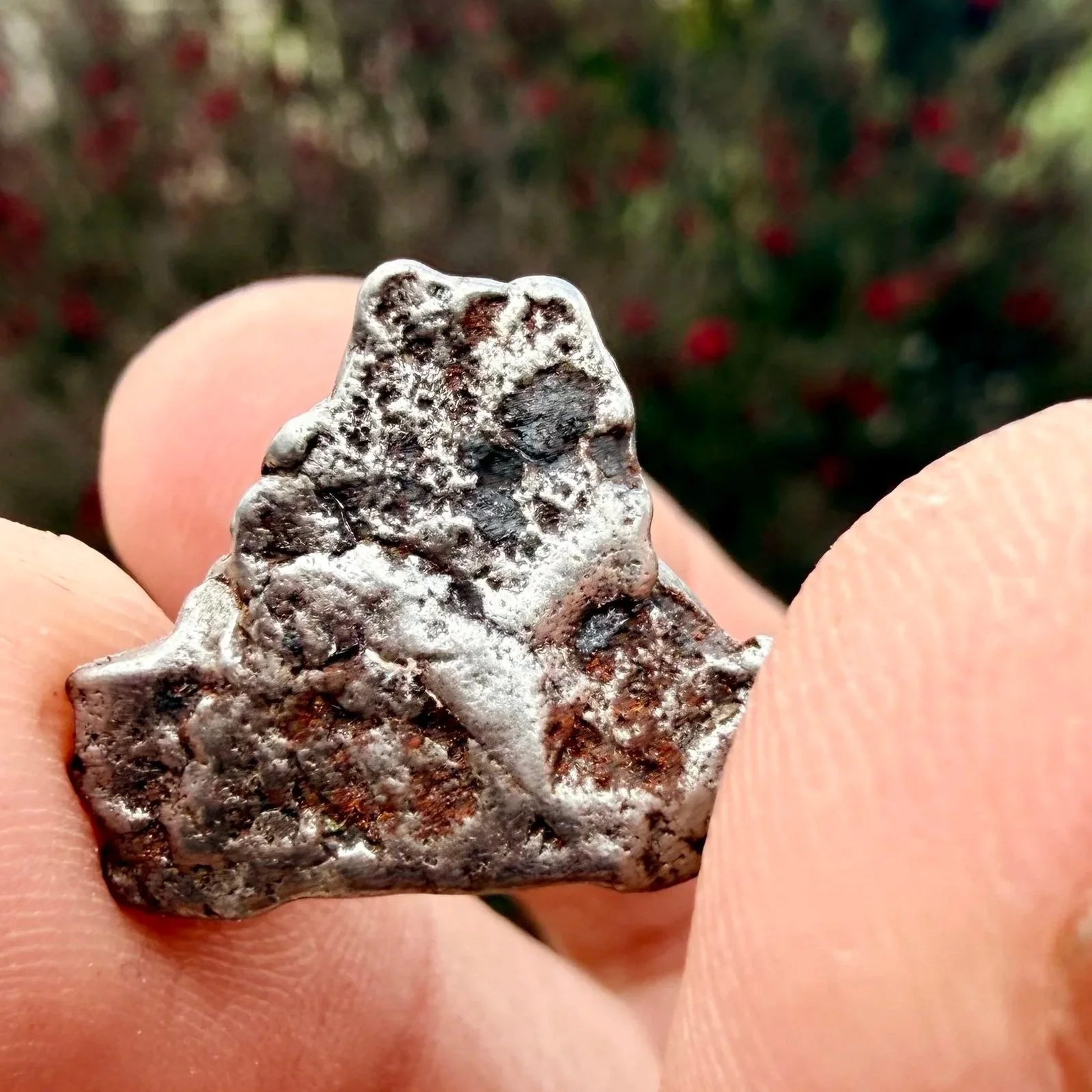
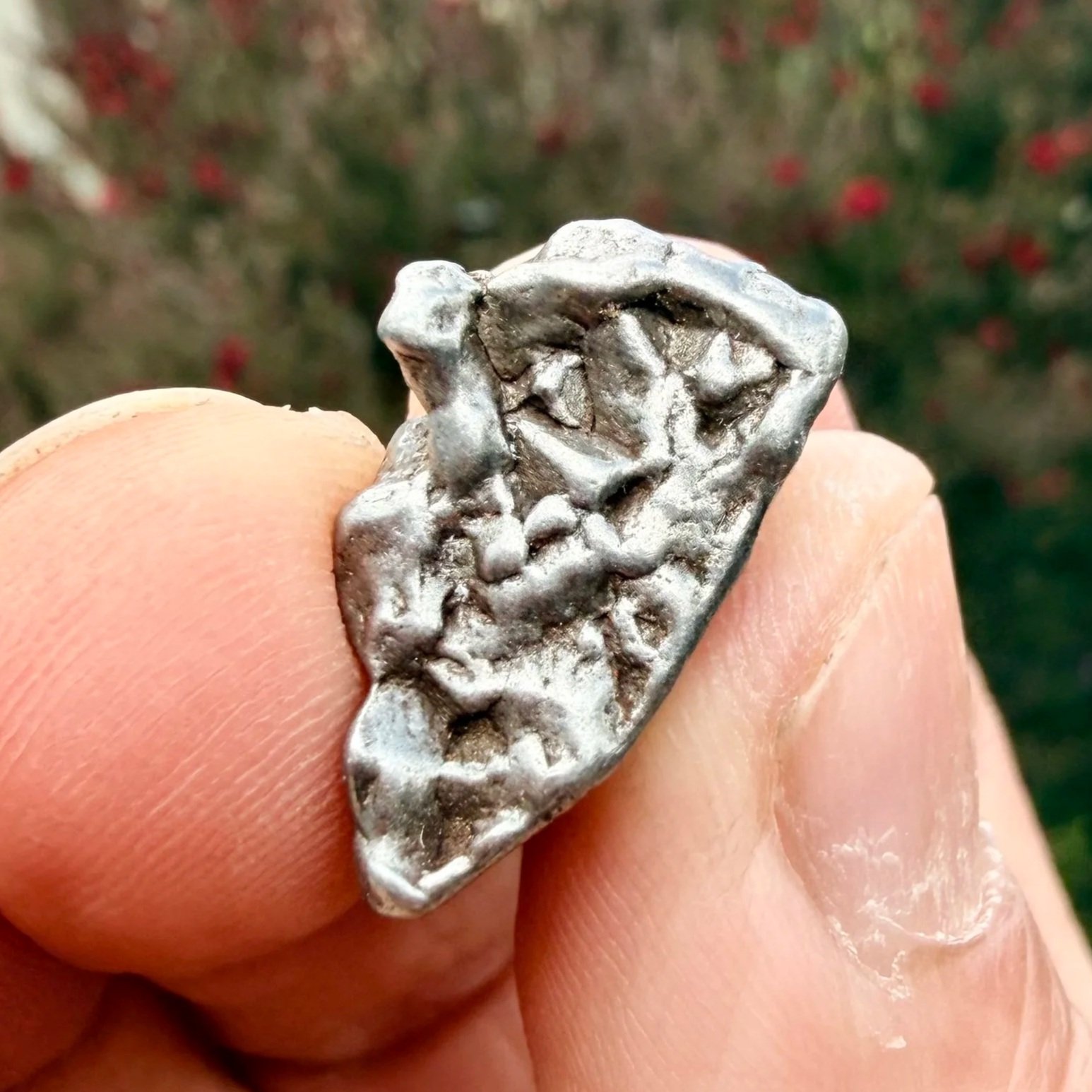
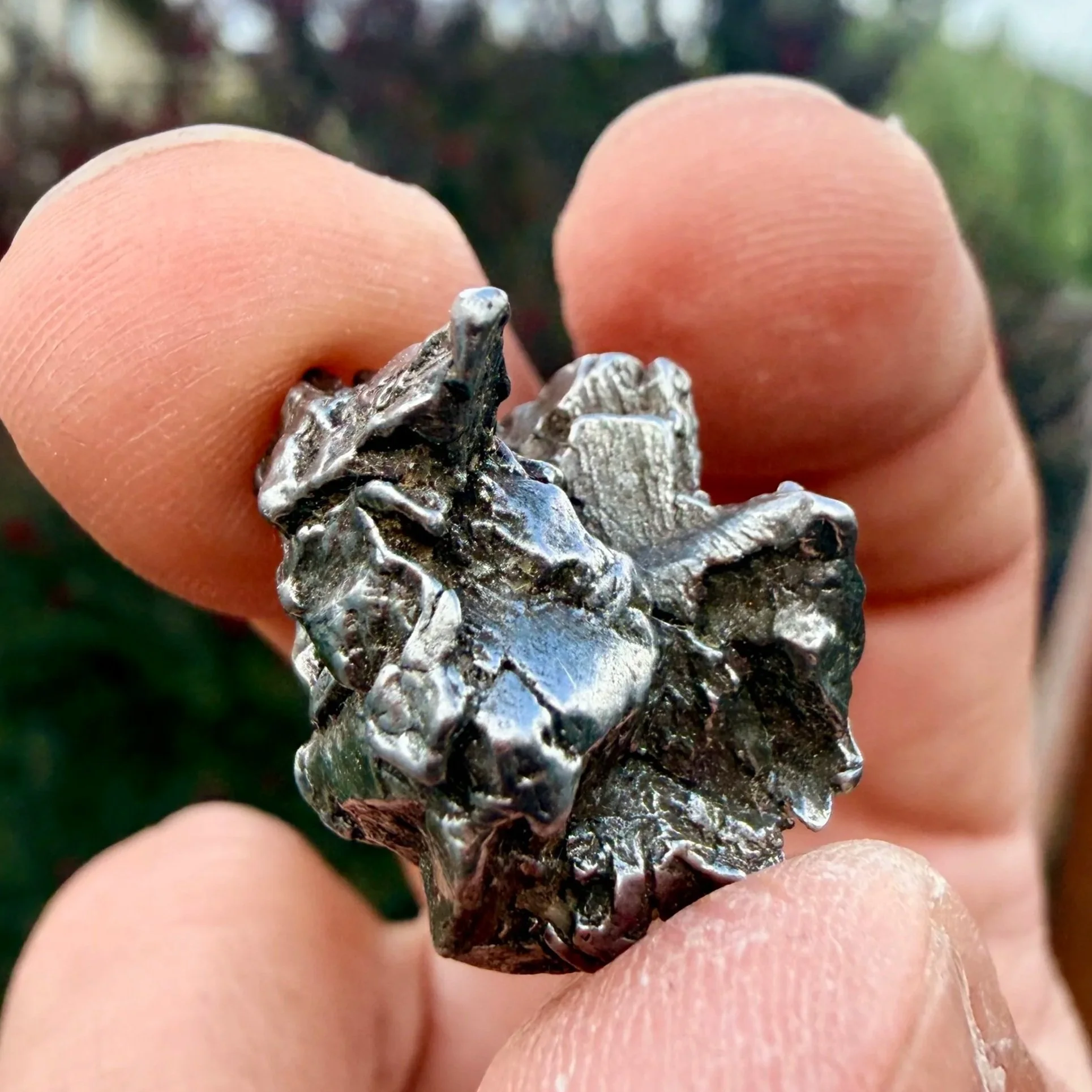
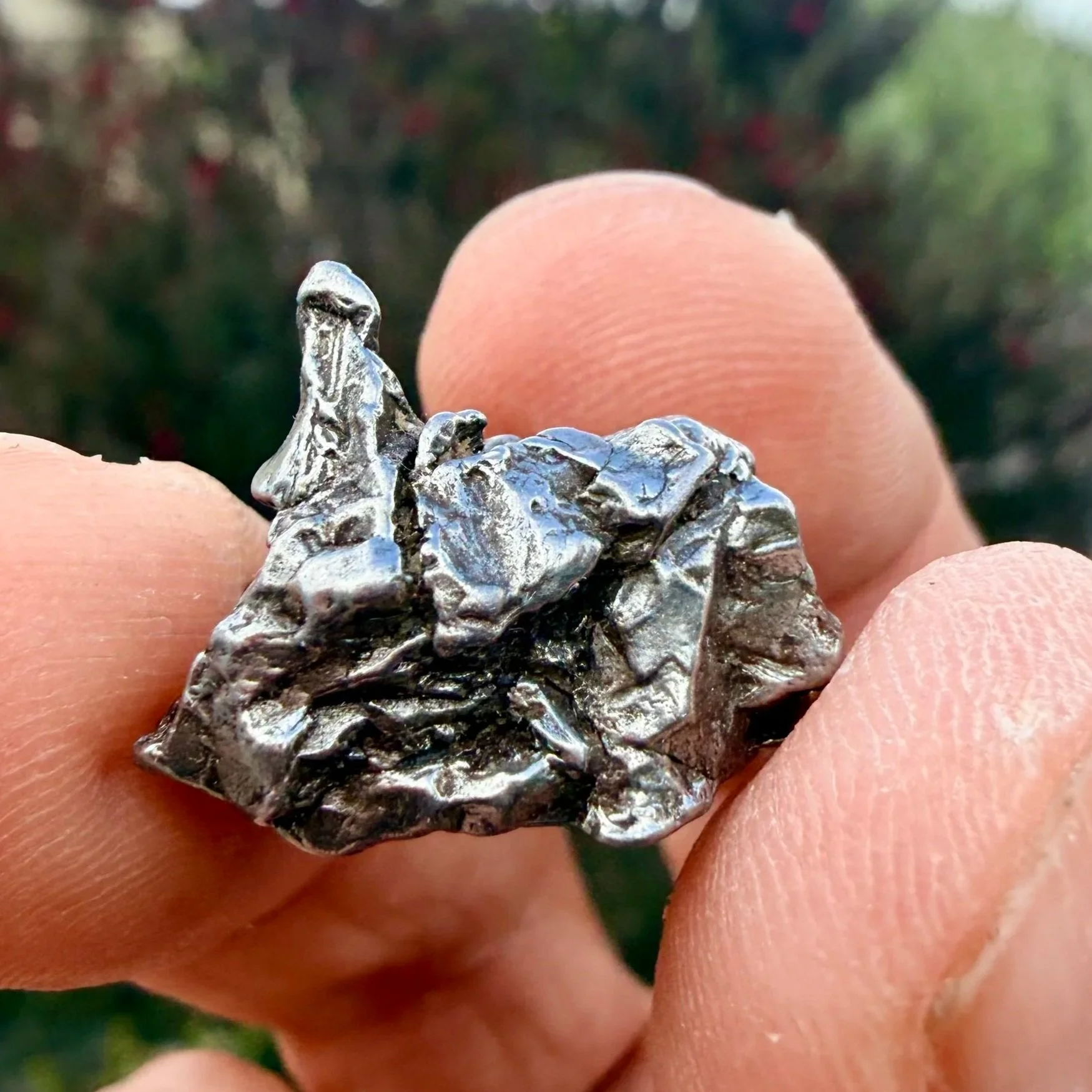
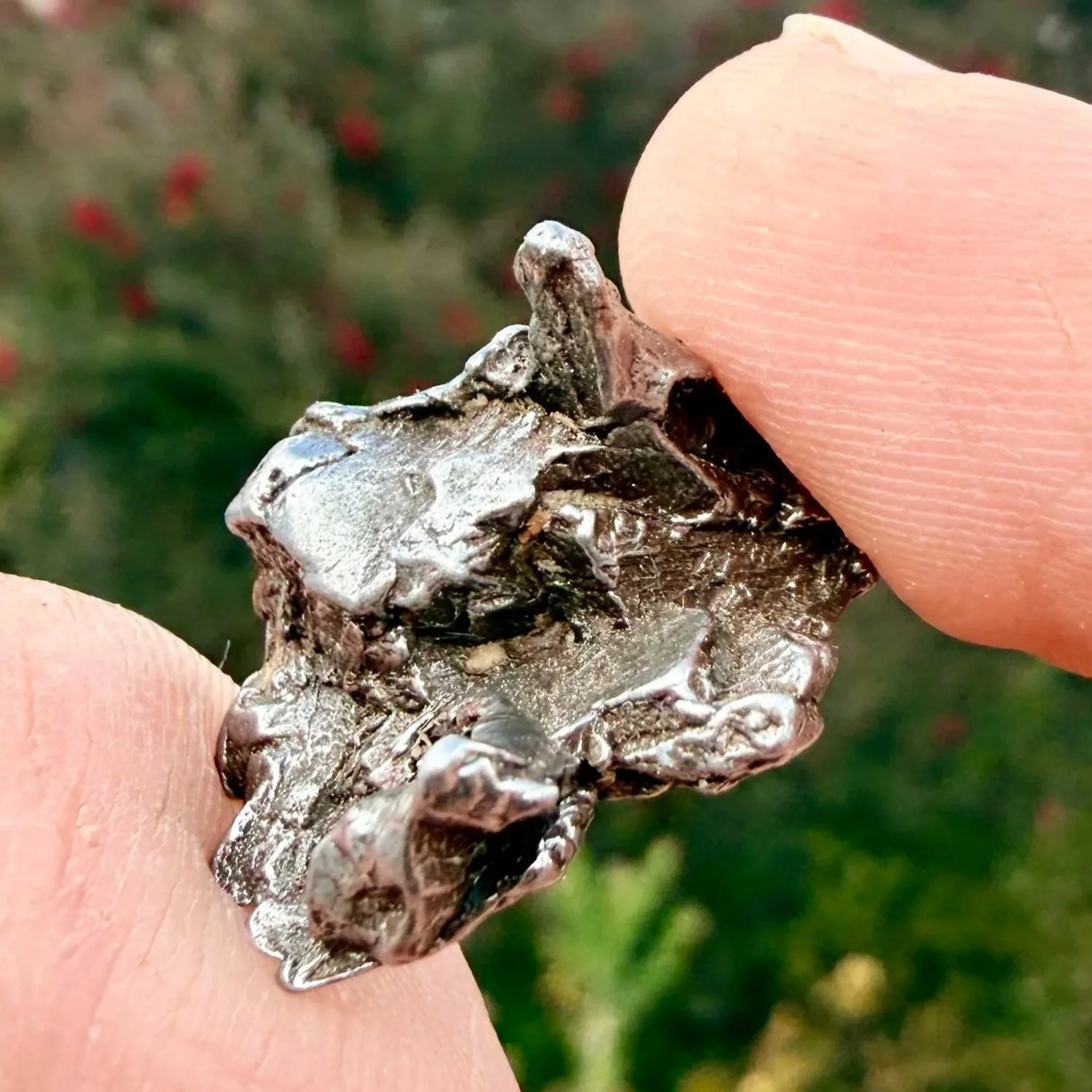
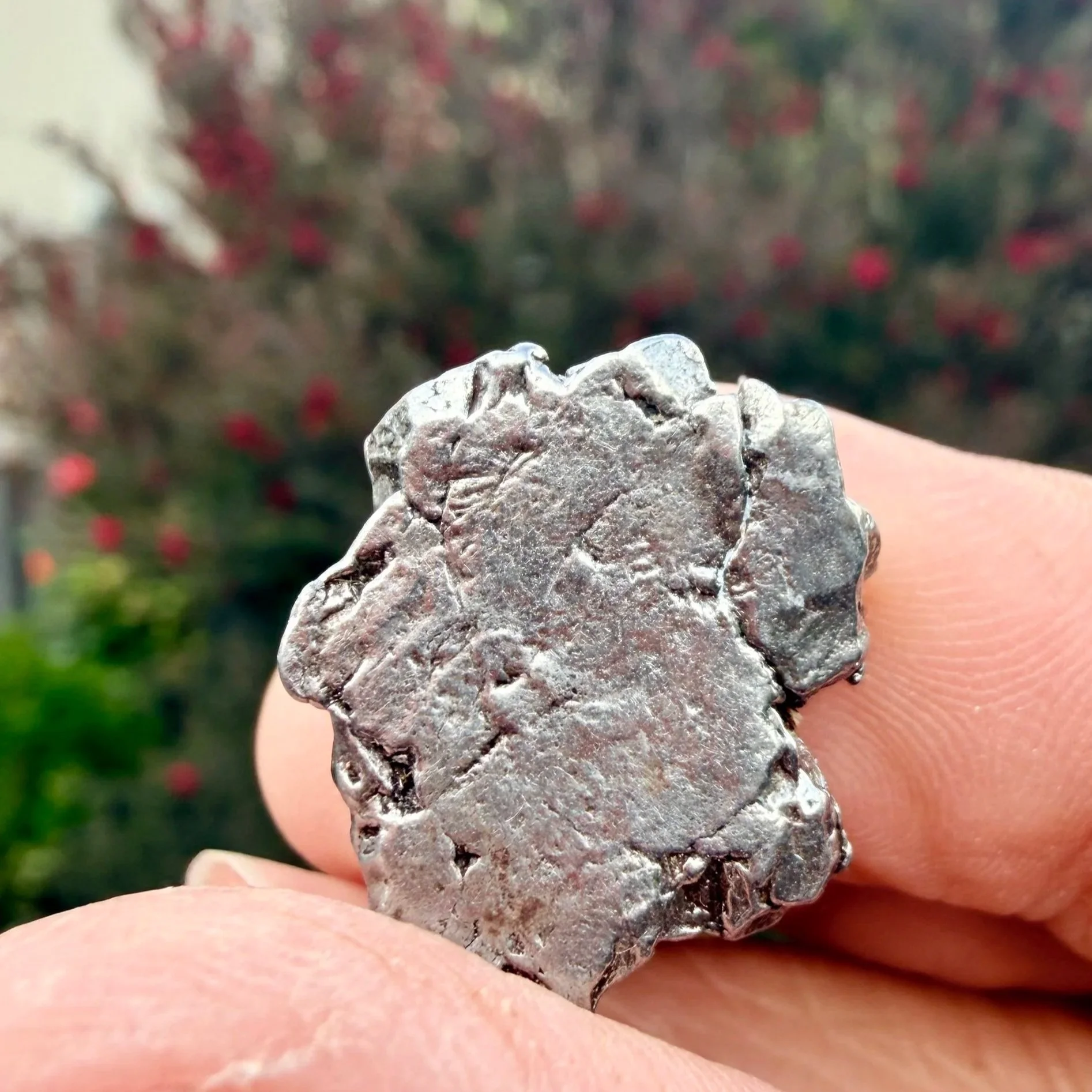
I’ve been mesmerized by these ever since getting them in.
This is a lengthy description, but it needs to be. There’s a lot of misinformation on Cintamani - also known as Agni Mantite - stone, let’s clear up what it is and what it’s not.
The metaphysical communities frequently market it as a tektite originating from meteoric impact like Moldavite, but geologists have classified it as a pseudo-tektite, meaning it’s formed from volcanic eruptions, similar to Obsidian.
Obsidian, however, forms on the Earth’s surface due to lava flow, whereas Cintamani is thought to have been ejected from volcanoes during particularly violent eruptions, sending them high enough into the air to collide into the ground in a manner similar to tektites. Cintamani is also typically millions of years old and survives in a stable form within sediment layers, while Obsidian is a much younger stone than rarely survives millions of years without being morphed into another type of rock.
Cintamani is the name of the legendary wish-fulfilling jewel in both Hinduism and Buddhism, symbolizing the enlightenment and teachings of the Buddha, and linked to the higher consciousness of Ganesha, Vishnu, and the Naga King. It’s considered the ‘eastern’ version of the philosopher’s stone.
It’s vital to note that we don’t have any proof that the stone we call Cintamani or Agni Mantite (from the Sanskrit ‘Agni mani’ meaning pearl of divine fire, and named for the Hindu deity of Fire, Agni), is the actual Cintamani of legend within these holy texts.
All clear on what’s what with these rare stones? All that said…
From my perspective, energetically, Cintamani vibes much closer to a tektite like Moldavite than Obsidian. It feels like the spirit of fire, and strongly activates all the main energetic channels and chakras, especially the Solar Plexus and Crown chakras. I feel acceleration and expansion within it but with a deep earth connection. It’s like a more grounded version of Moldavite. As someone who works very closely with the spirit of Ganpati, it feels very keyed into Ganesha’s immense energy.
Absolutely add this to your collection if you work with crystals in any energetic or magical capacity.
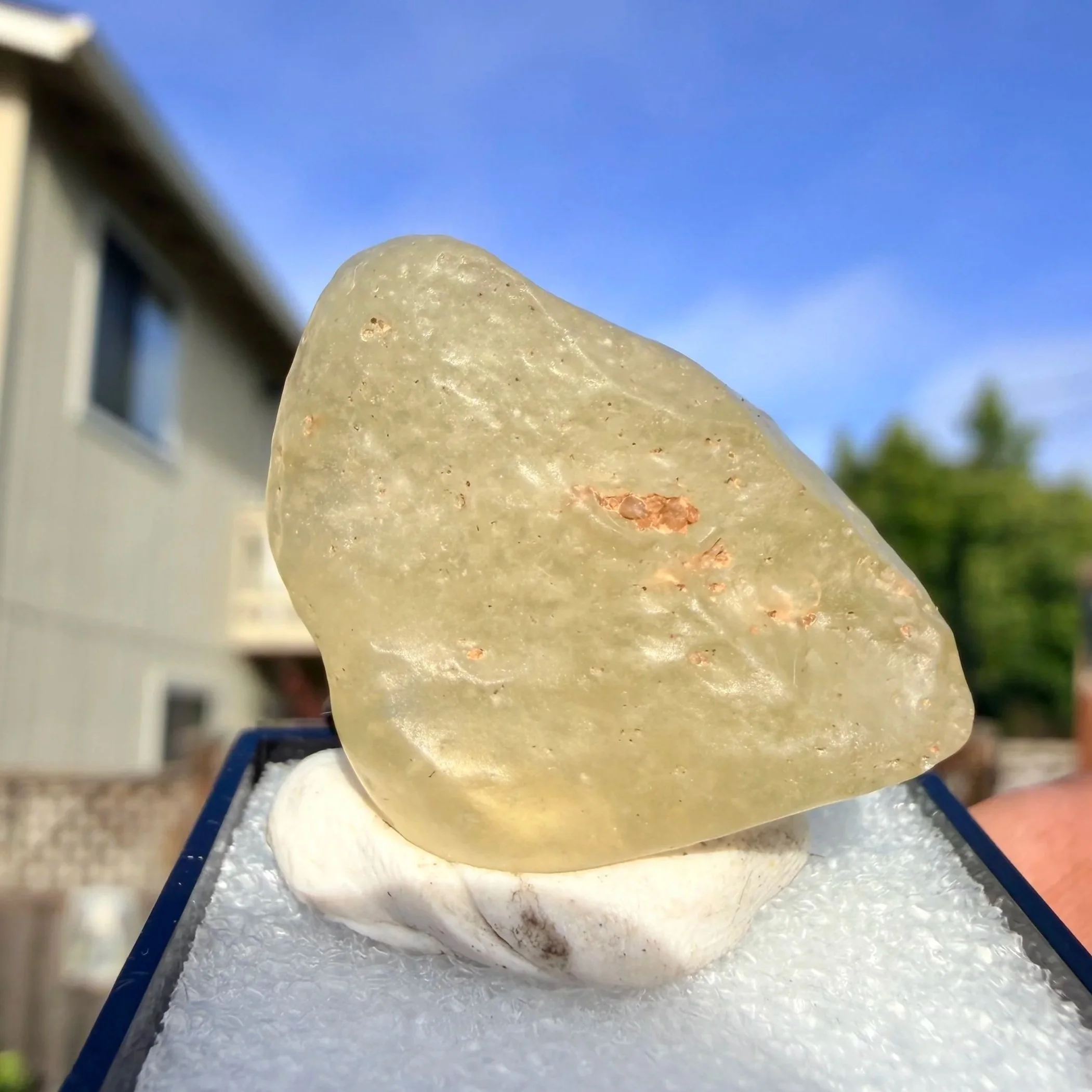
These are all natural from Indonesia. When I got them they were covered in dirt and all the crevices had clay and soil stuck in them, so each one has been cleaned and scrubbed by moi.
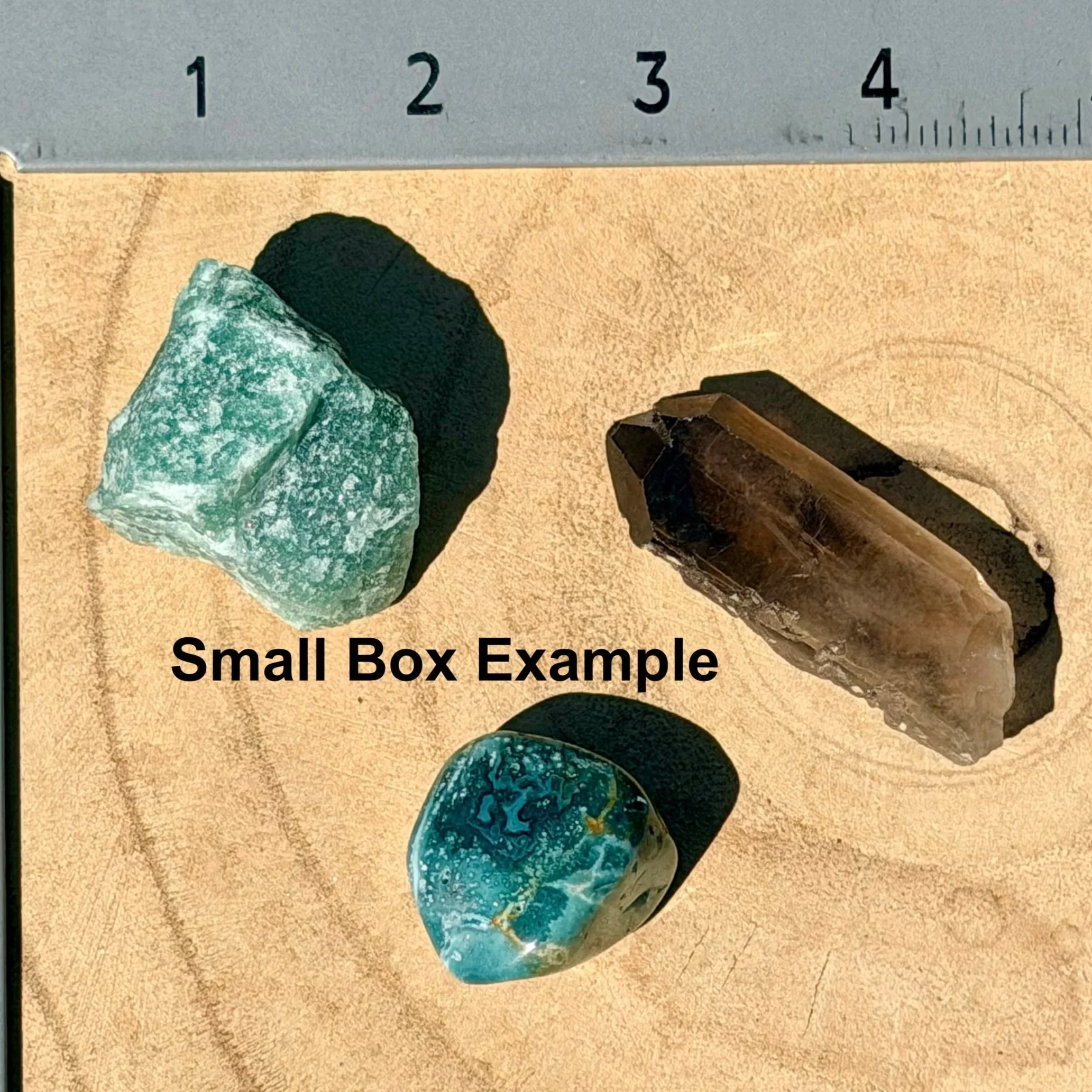
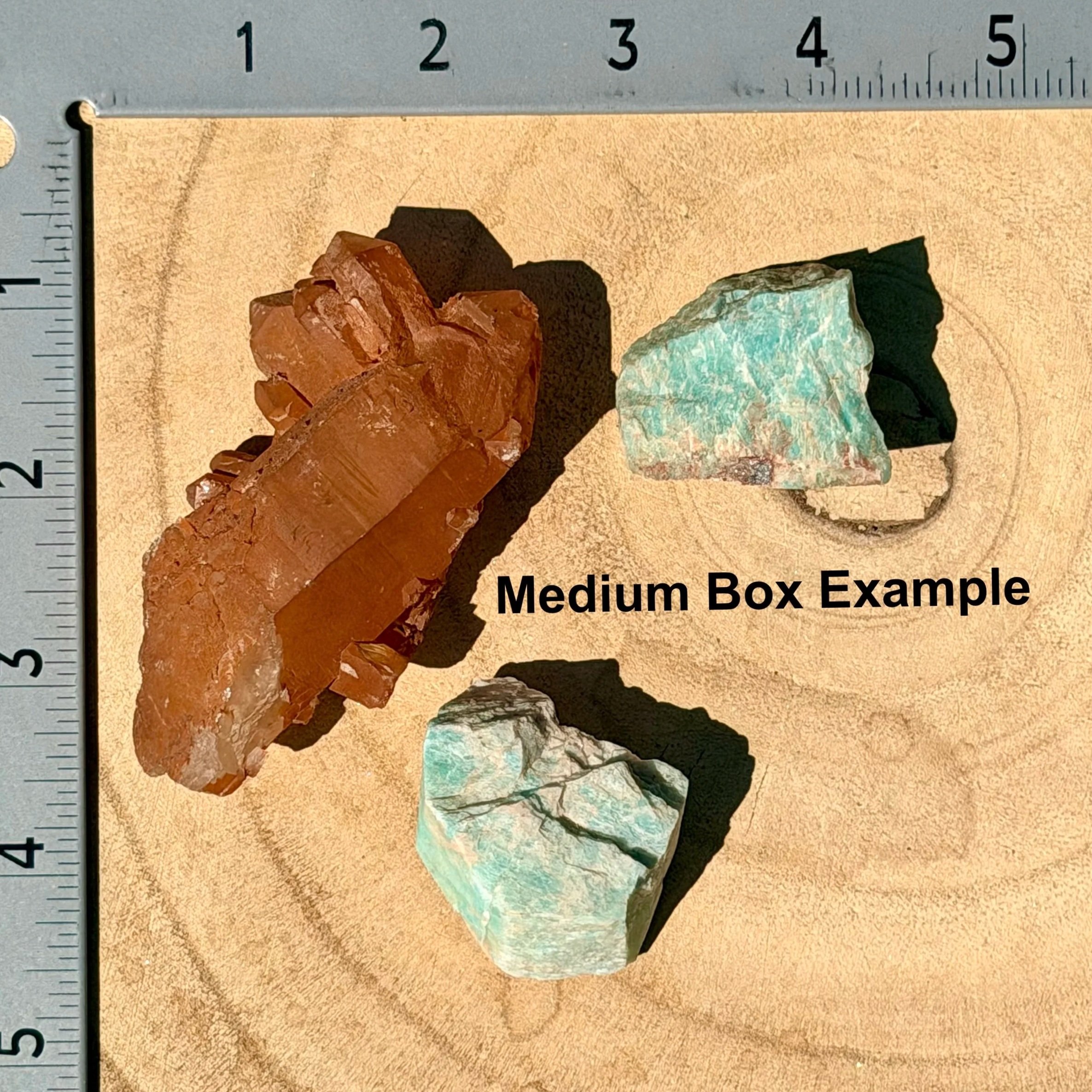
Upon purchase, I will choose your piece(s). If you have a preference on shape or size please leave a note upon checkout.
I’ve been mesmerized by these ever since getting them in.
This is a lengthy description, but it needs to be. There’s a lot of misinformation on Cintamani - also known as Agni Mantite - stone, let’s clear up what it is and what it’s not.
The metaphysical communities frequently market it as a tektite originating from meteoric impact like Moldavite, but geologists have classified it as a pseudo-tektite, meaning it’s formed from volcanic eruptions, similar to Obsidian.
Obsidian, however, forms on the Earth’s surface due to lava flow, whereas Cintamani is thought to have been ejected from volcanoes during particularly violent eruptions, sending them high enough into the air to collide into the ground in a manner similar to tektites. Cintamani is also typically millions of years old and survives in a stable form within sediment layers, while Obsidian is a much younger stone than rarely survives millions of years without being morphed into another type of rock.
Cintamani is the name of the legendary wish-fulfilling jewel in both Hinduism and Buddhism, symbolizing the enlightenment and teachings of the Buddha, and linked to the higher consciousness of Ganesha, Vishnu, and the Naga King. It’s considered the ‘eastern’ version of the philosopher’s stone.
It’s vital to note that we don’t have any proof that the stone we call Cintamani or Agni Mantite (from the Sanskrit ‘Agni mani’ meaning pearl of divine fire, and named for the Hindu deity of Fire, Agni), is the actual Cintamani of legend within these holy texts.
All clear on what’s what with these rare stones? All that said…
From my perspective, energetically, Cintamani vibes much closer to a tektite like Moldavite than Obsidian. It feels like the spirit of fire, and strongly activates all the main energetic channels and chakras, especially the Solar Plexus and Crown chakras. I feel acceleration and expansion within it but with a deep earth connection. It’s like a more grounded version of Moldavite. As someone who works very closely with the spirit of Ganpati, it feels very keyed into Ganesha’s immense energy.
Absolutely add this to your collection if you work with crystals in any energetic or magical capacity.
These are all natural from Indonesia. When I got them they were covered in dirt and all the crevices had clay and soil stuck in them, so each one has been cleaned and scrubbed by moi.
Upon purchase, I will choose your piece(s). If you have a preference on shape or size please leave a note upon checkout.

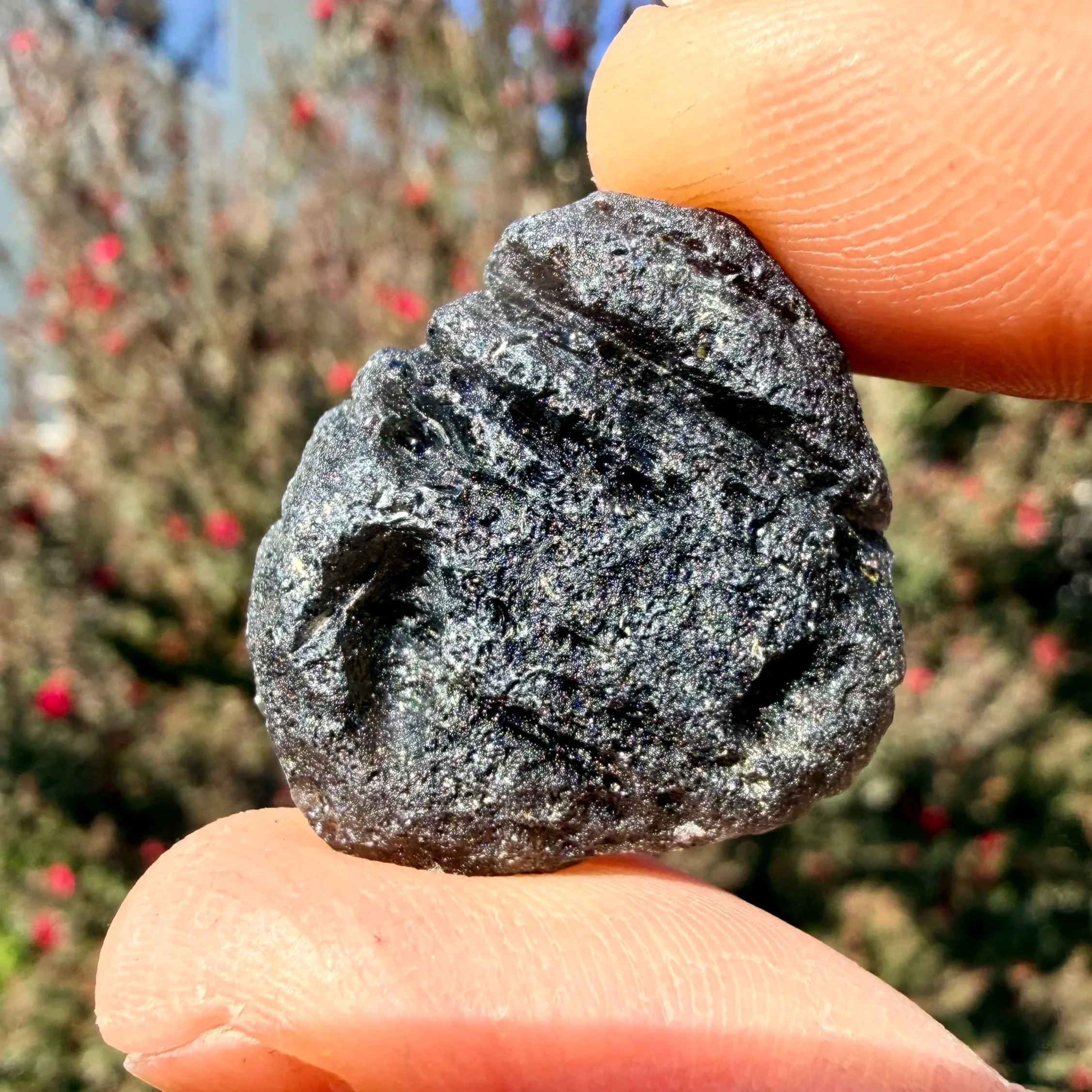 Image 1 of 15
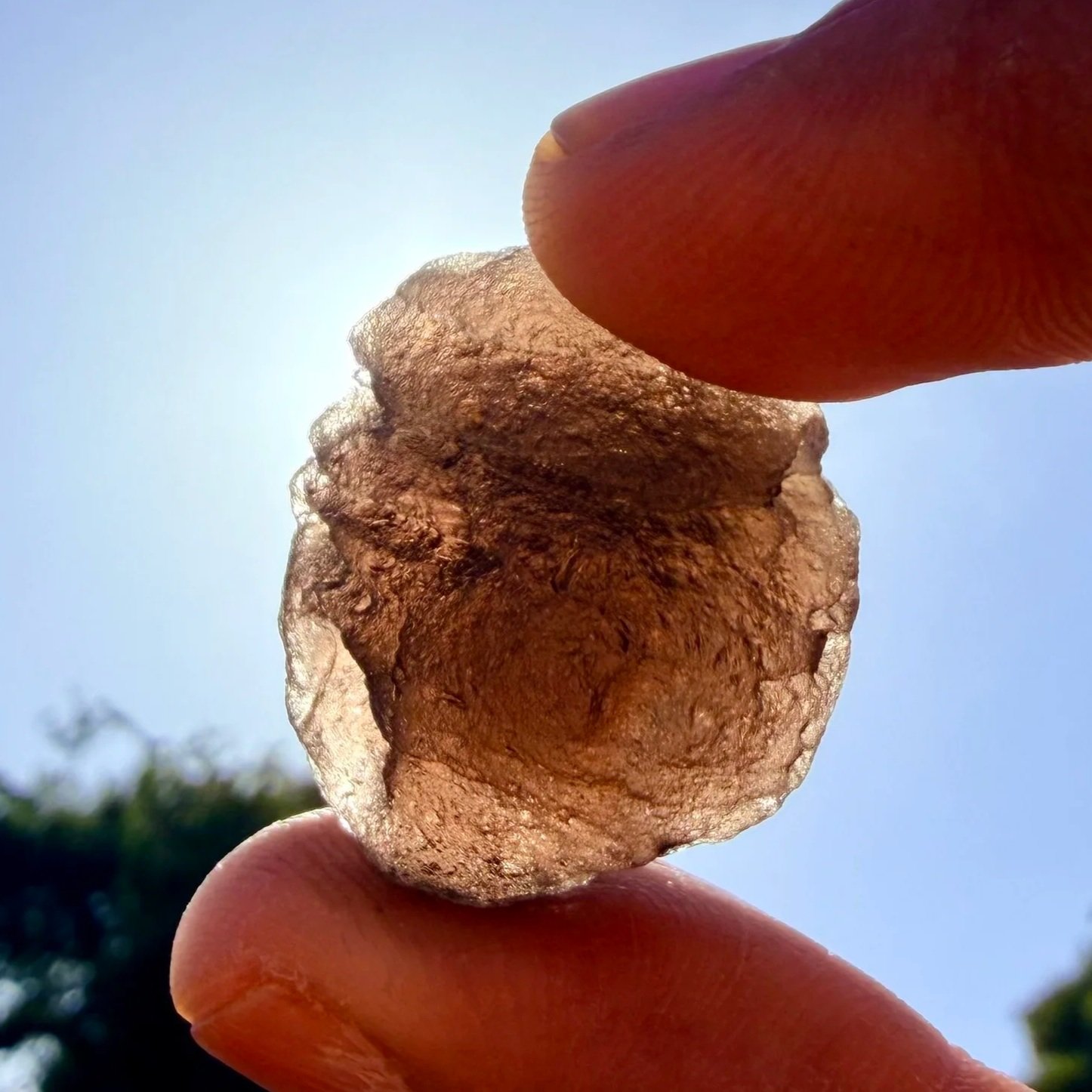 Image 2 of 15
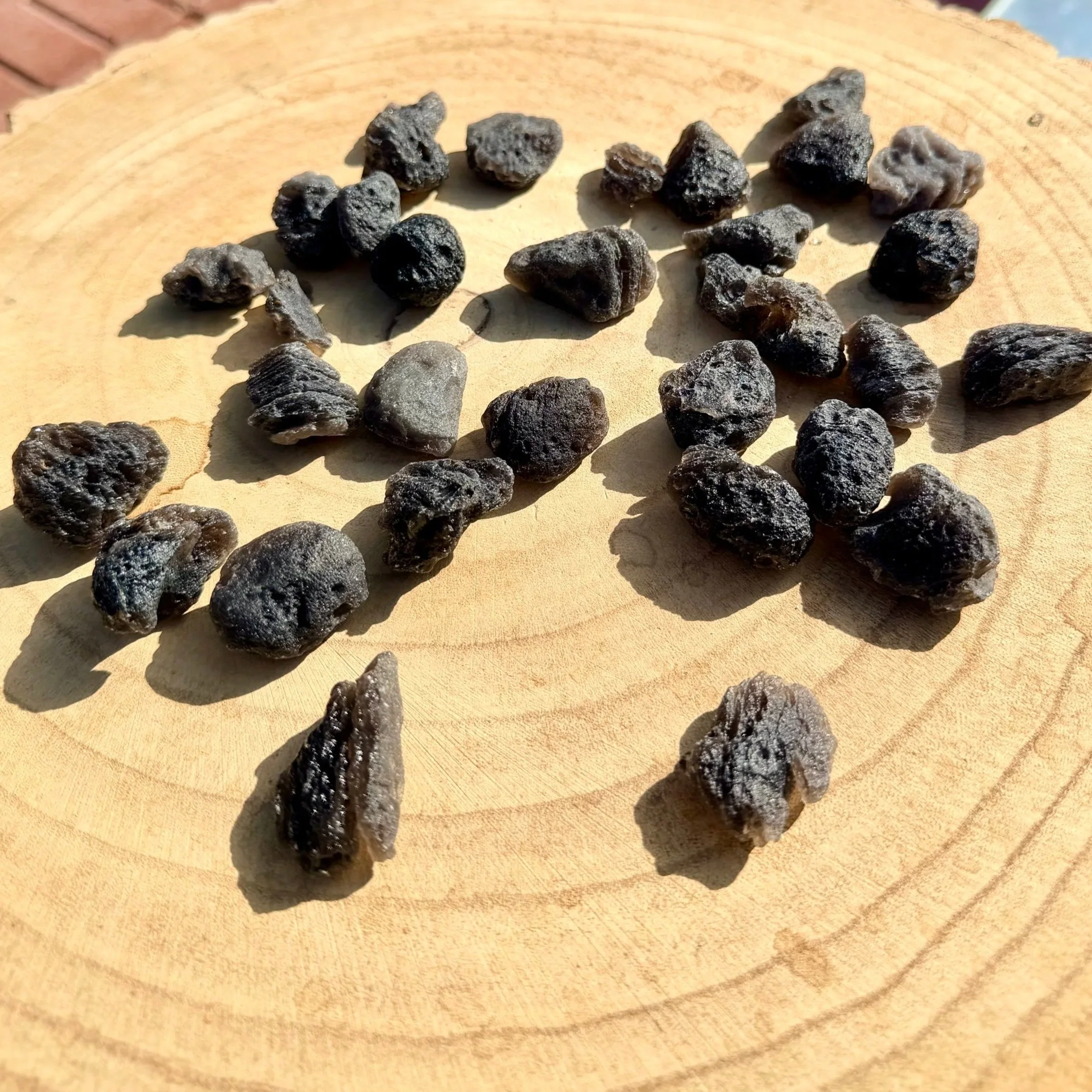 Image 3 of 15
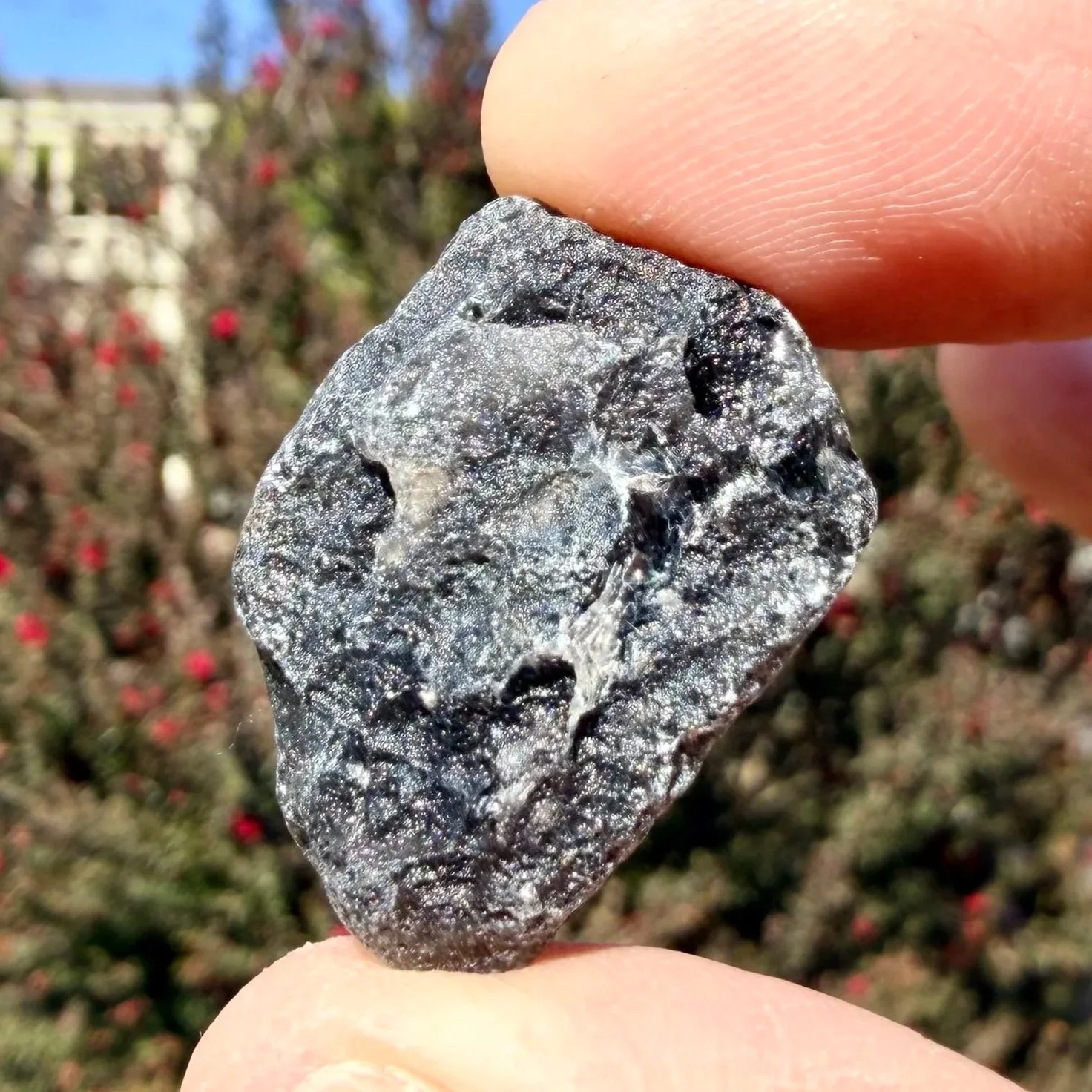 Image 4 of 15
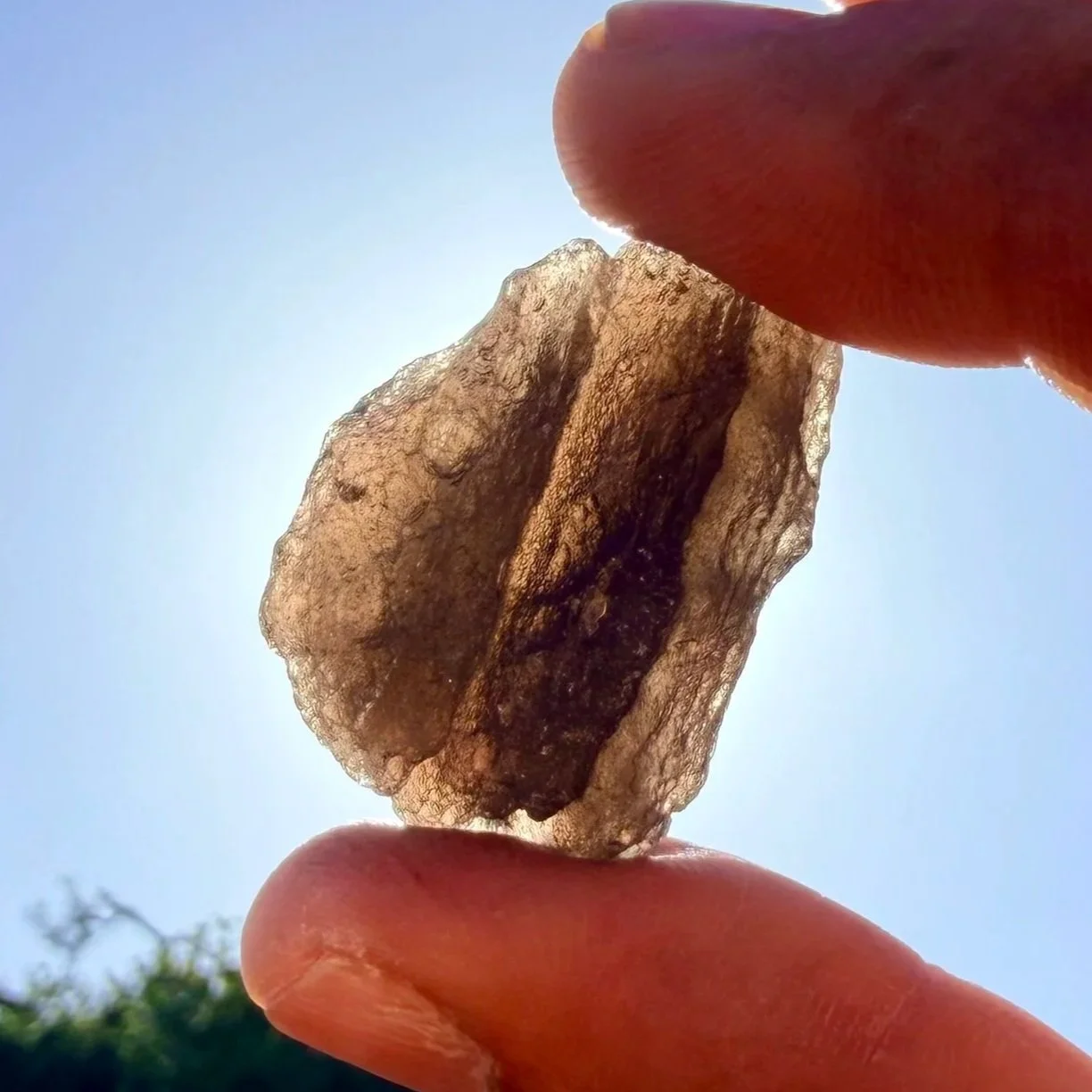 Image 5 of 15
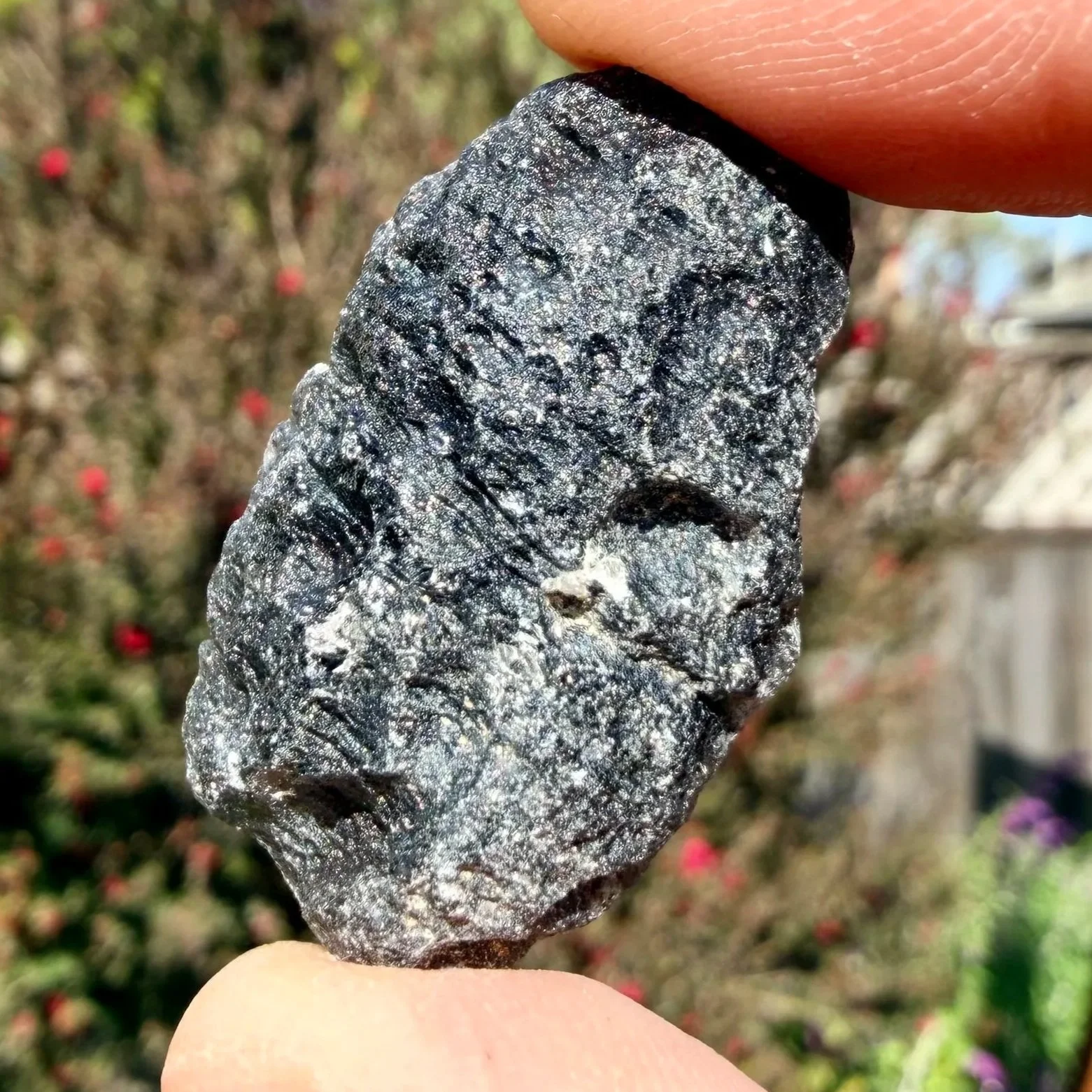 Image 6 of 15
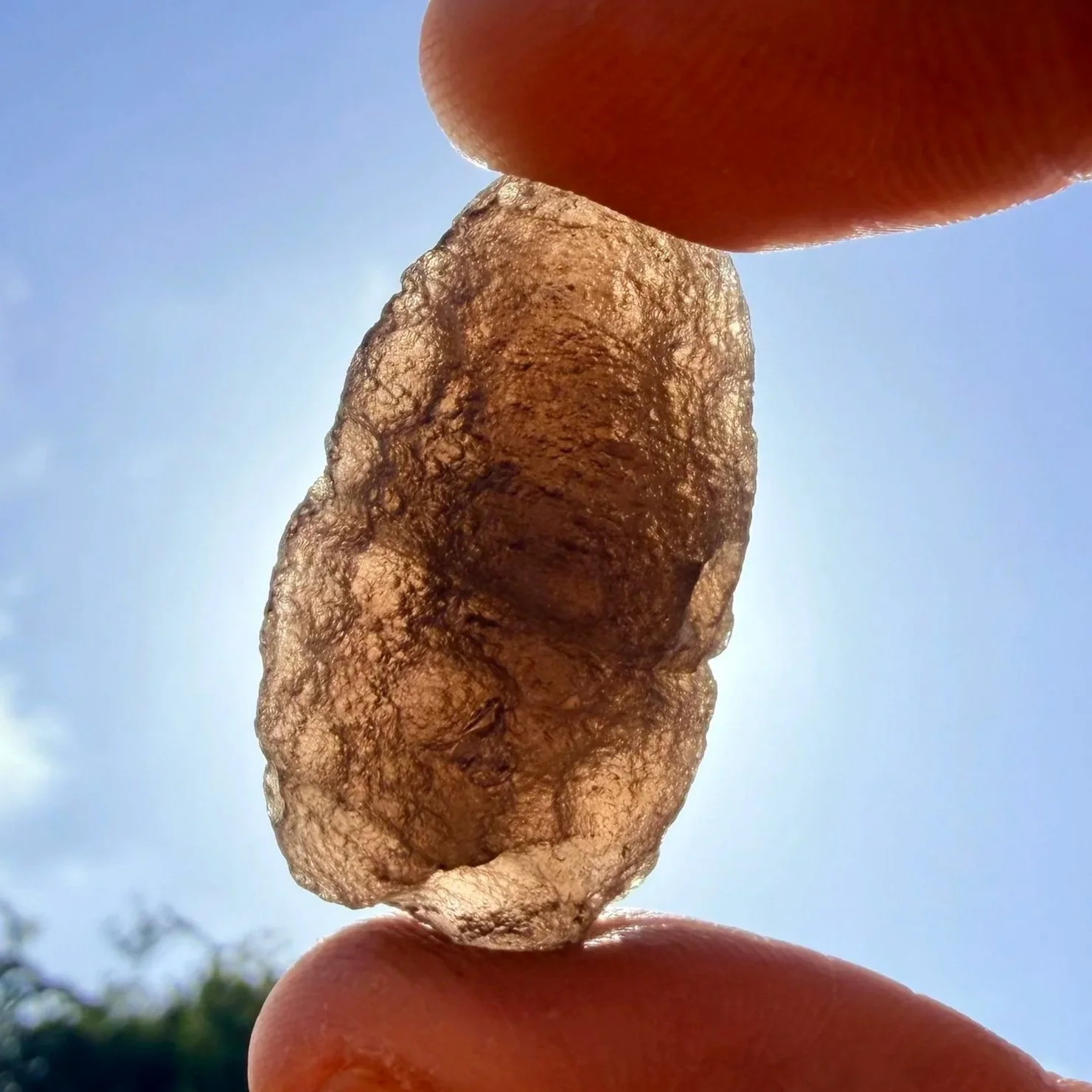 Image 7 of 15
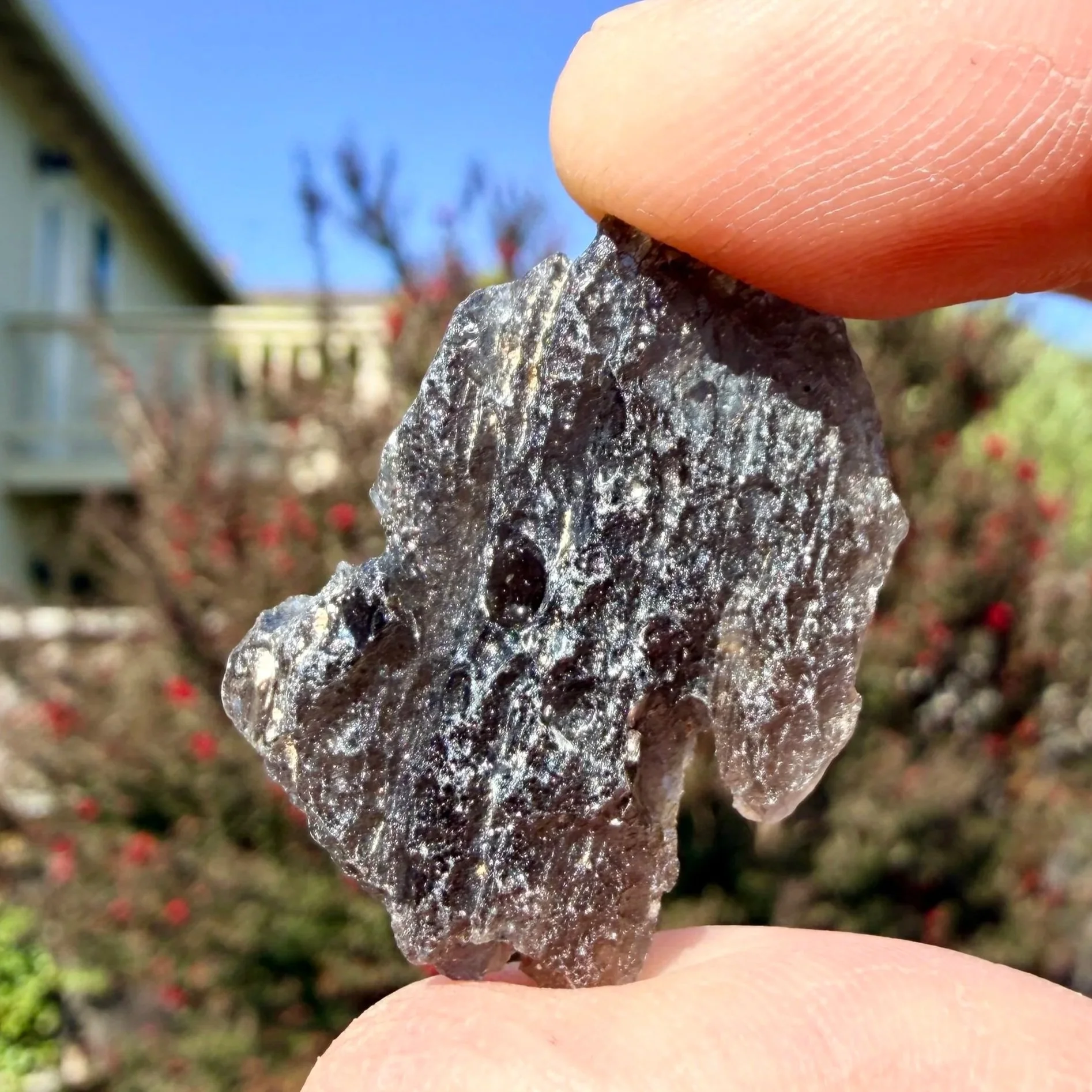 Image 8 of 15
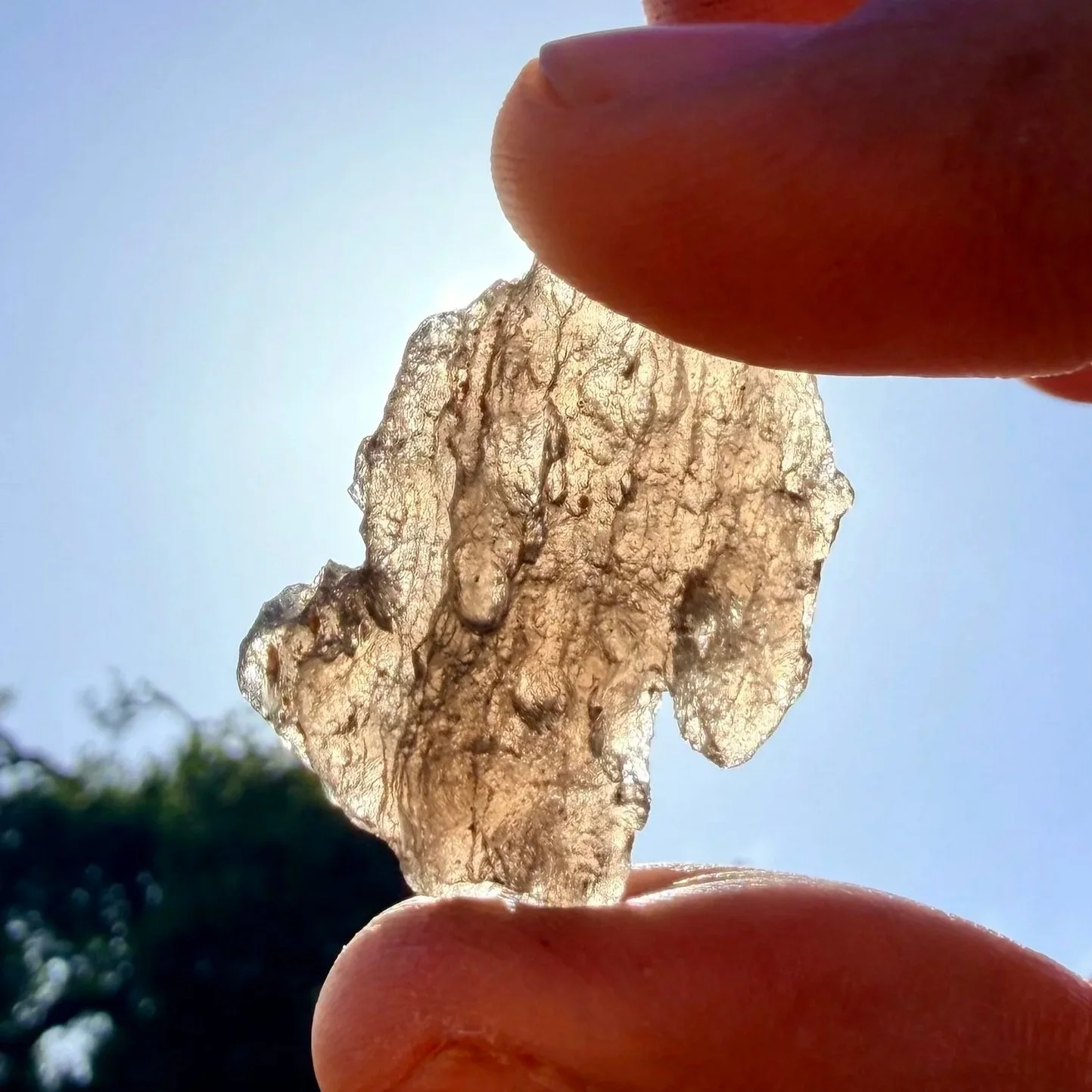 Image 9 of 15
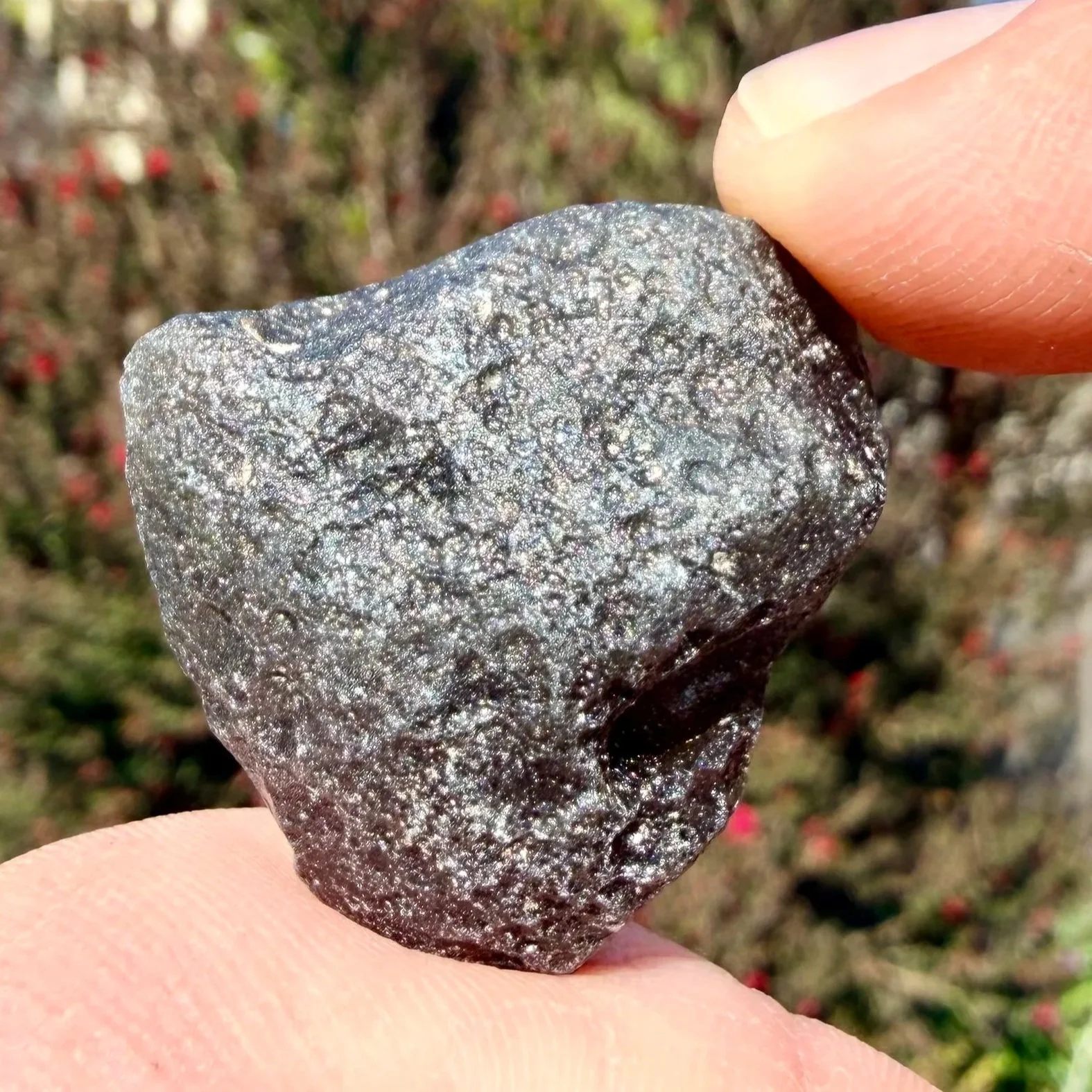 Image 10 of 15
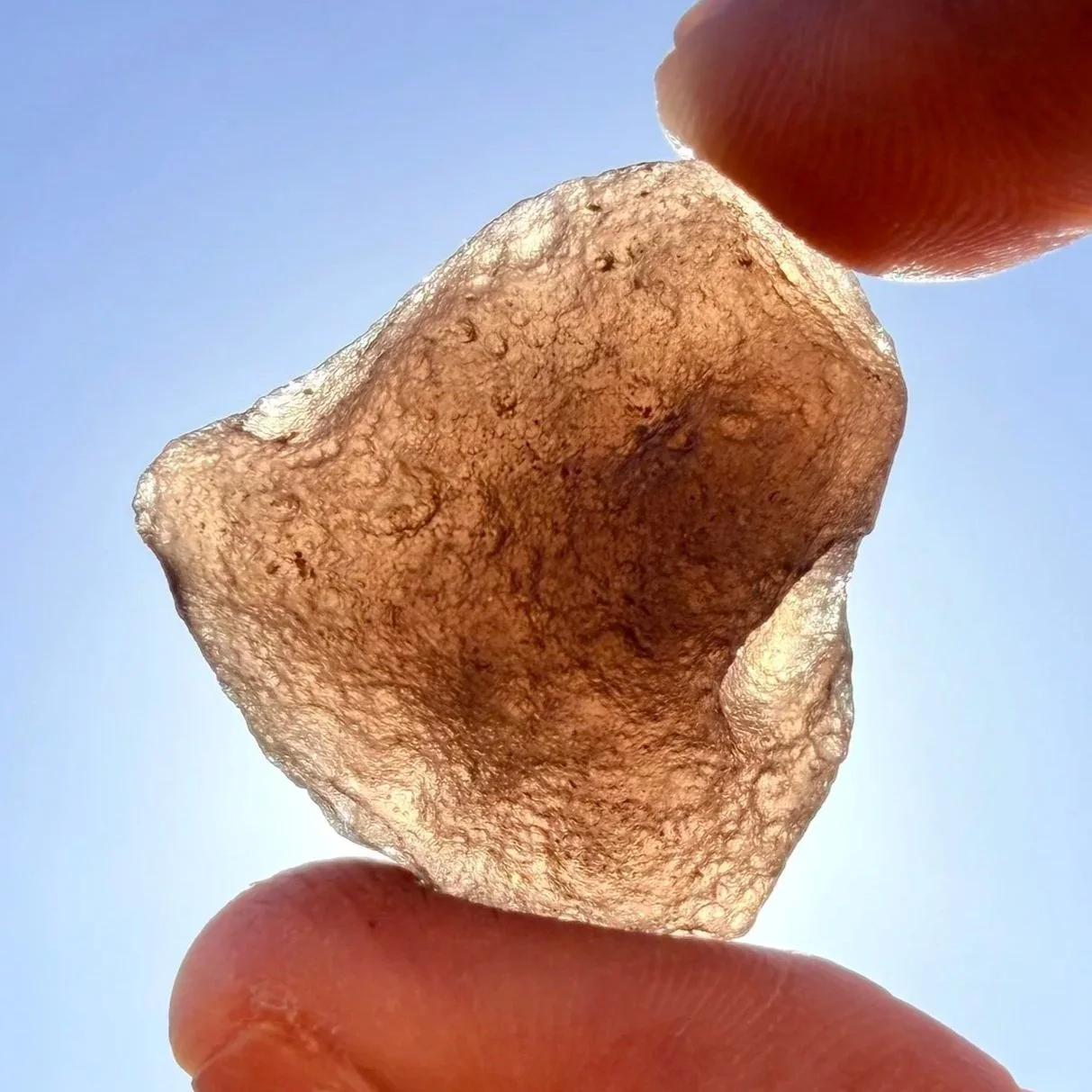 Image 11 of 15
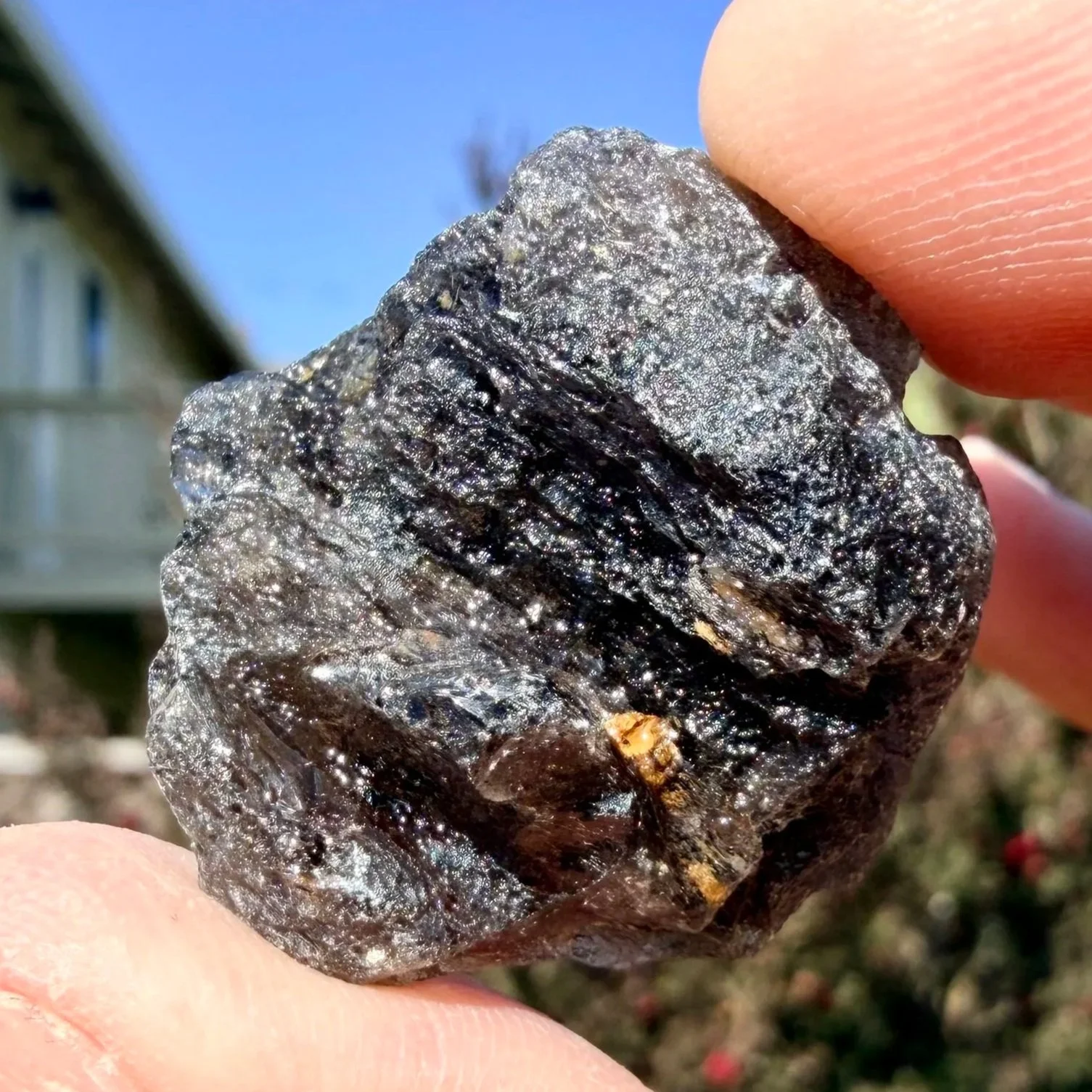 Image 12 of 15
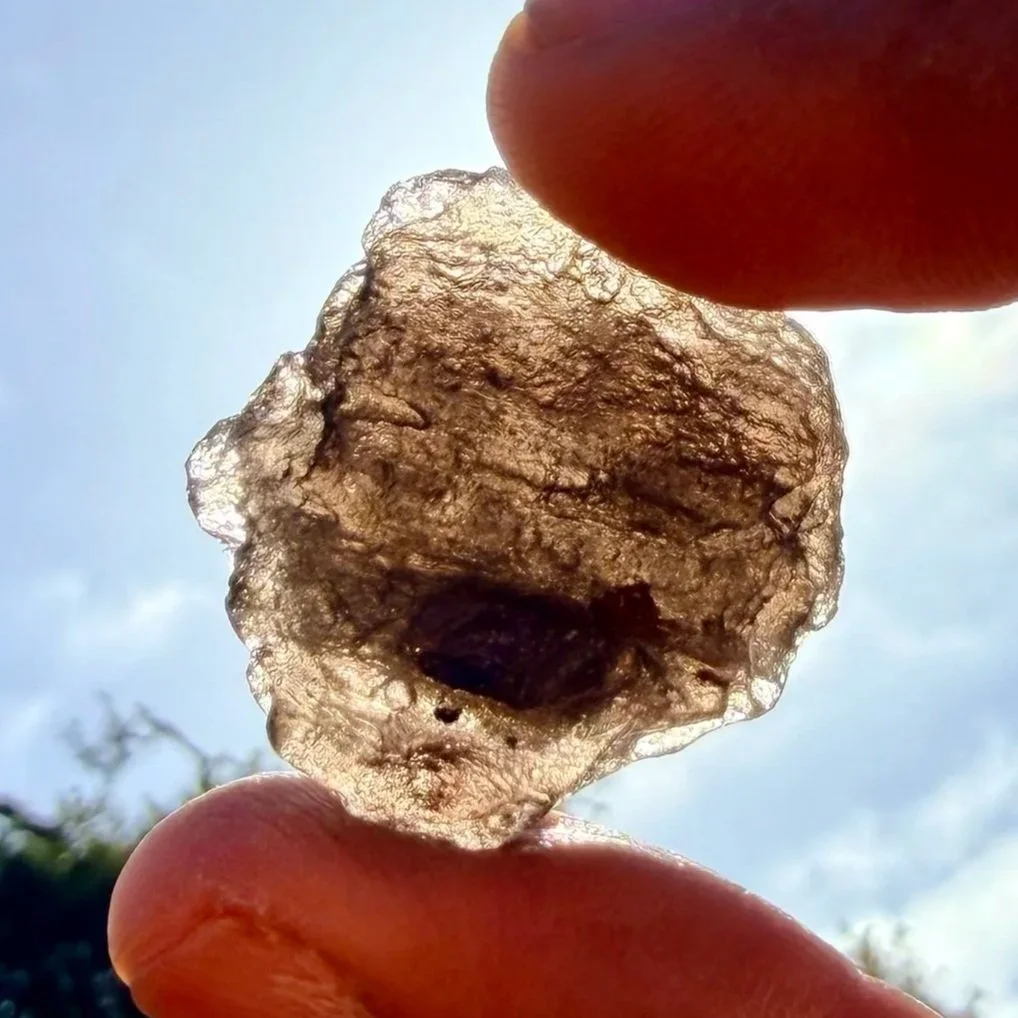 Image 13 of 15
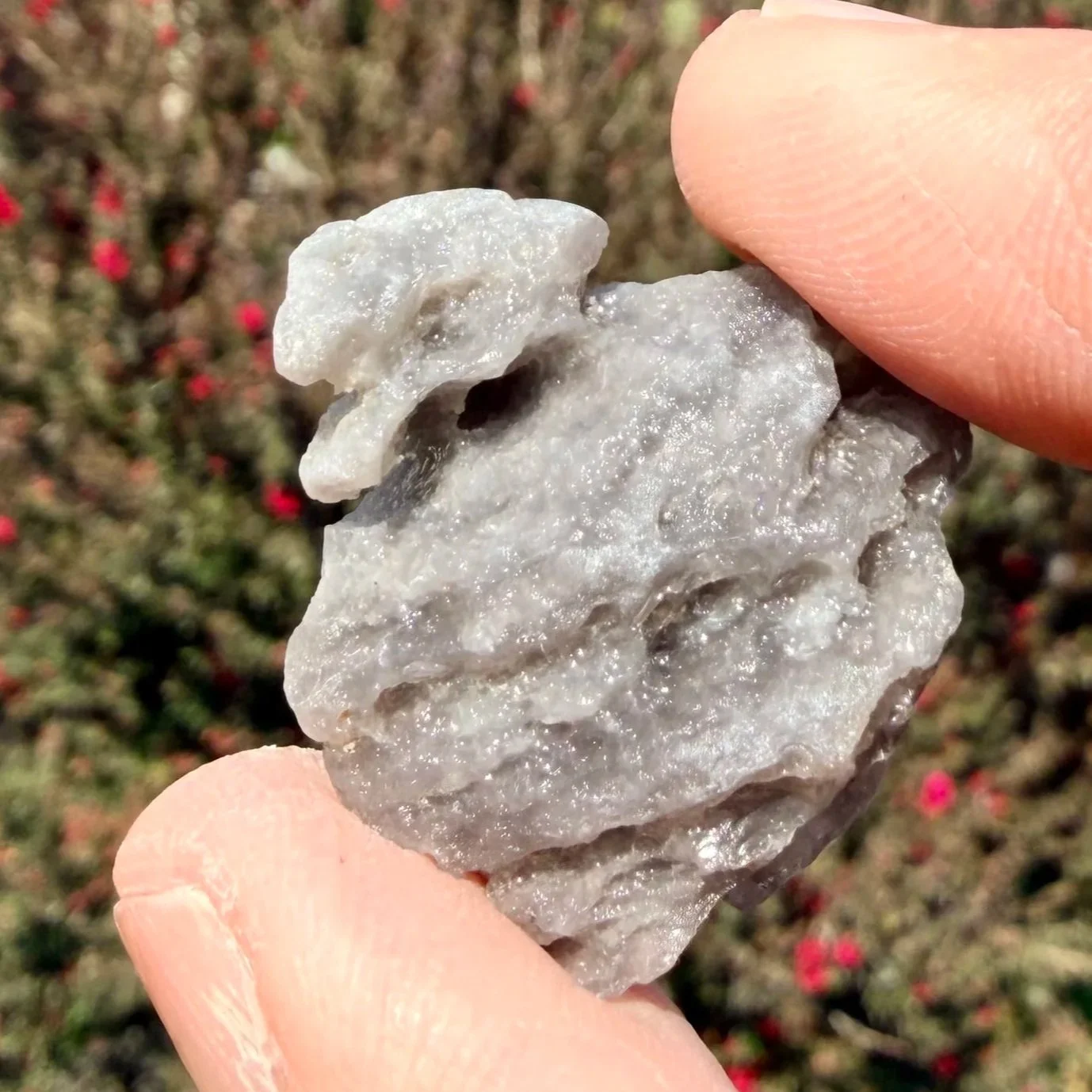 Image 14 of 15
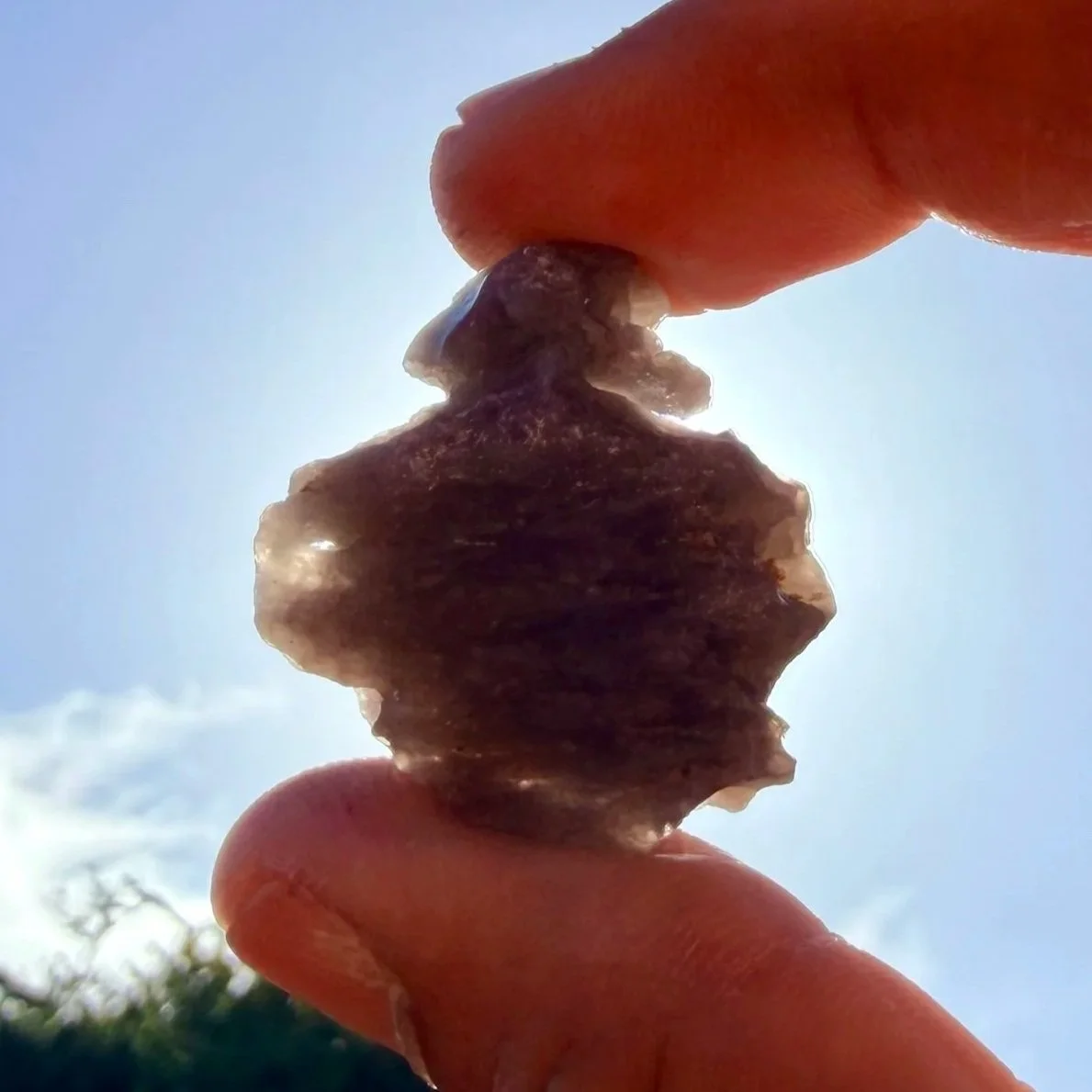 Image 15 of 15